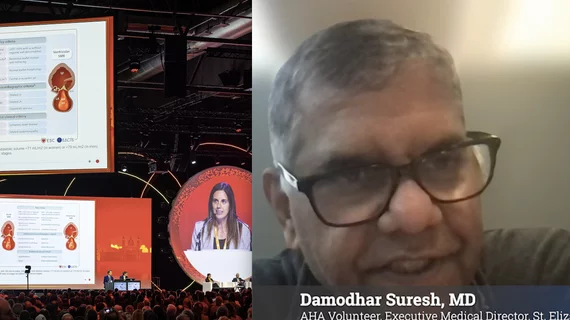
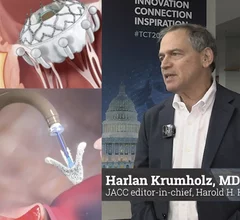
AI-based tools are here to stay, but one expert does not see them replacing cardiologists anytime soon. Look at recent trends in radiology, he says, to get a better idea of what cardiology's future may look like.
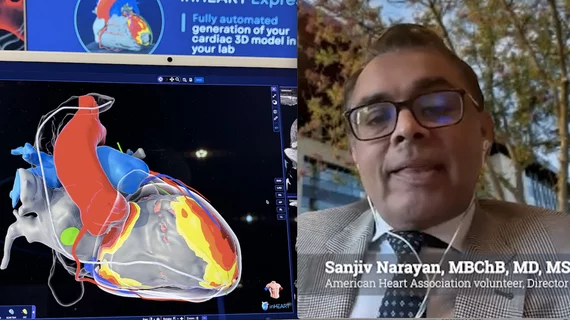
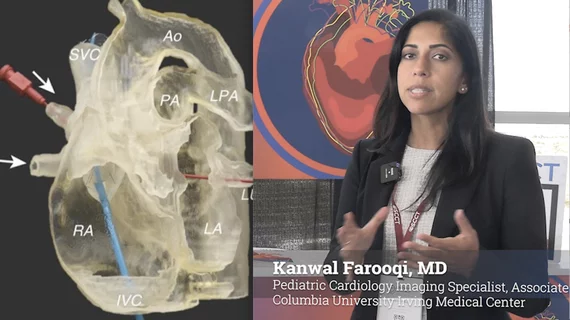
3D models can improve the visualization of challenging cardiac anatomy in addition to supporting clinical decision-making, education and procedural planning.
Hadley Wilson, MD, spoke to Cardiovascular Business at the three-day event to discuss key late-breaking studies and trends. Topics included new drug treatments, AI and much more.
J.D. Corl, MD, shared his experience using two new IVL catheters from Shockwave Medical to treat patients with heavily calcified peripheral arteries. He considers both new devices a significant upgrade.
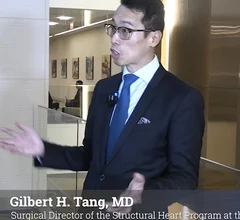
Gilbert Tang, MD, spoke to Cardiovascular Business about late-breaking data from the TRILUMINATE IDE trial. While early results were promising, these latest findings highlight the TriClip device's true value for the first time.
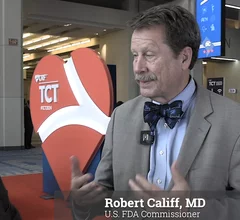
FDA Commissioner Robert Califf, MD, said the clinical community needs to combat health misinformation at a grassroots level. He warned that patients are immersed in a "sea of misinformation without a compass."
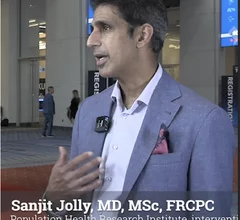
Sanjit S. Jolly, MD, MSc, reviewed his team's late-breaking data on treating heart attack patients with colchicine. "I think inflammation is an important area, but I don't think colchicine is the magic bullet," he said.
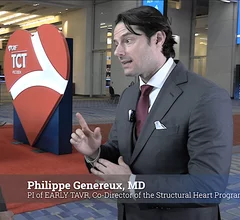
Philippe Genereux, MD, principal investigator of the EARLY TAVR trial, discussed how a proactive treatment strategy for patients with asymptomatic AS can lead to better outcomes and improvements in quality of life.
Harlan Krumholz, MD, editor-in-chief of the Journal of the American College of Cardiology, said tricuspid valve treatments are a popular topic among cardiologists right now. TAVR research, meanwhile, remains as important as ever.