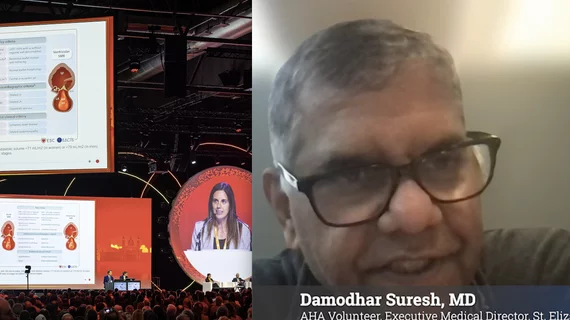
AI-based tools are here to stay, but one expert does not see them replacing cardiologists anytime soon. Look at recent trends in radiology, he says, to get a better idea of what cardiology's future may look like.
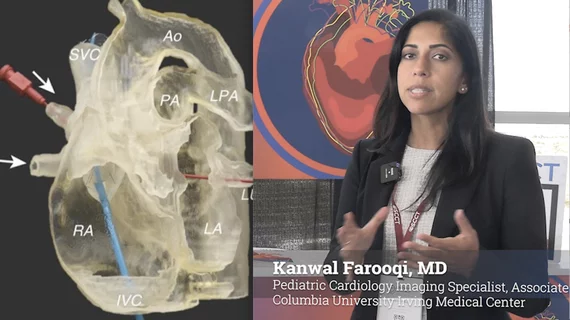
3D models can improve the visualization of challenging cardiac anatomy in addition to supporting clinical decision-making, education and procedural planning.
Immigration attorney Kathleen Campbell Walker, JD, explains the barriers foreign nurses face when immigrating to the U.S. and the need for policy changes that could help solve the growing healthcare staffing shortage.
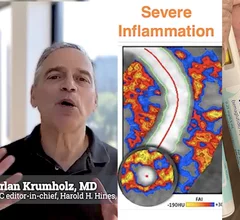
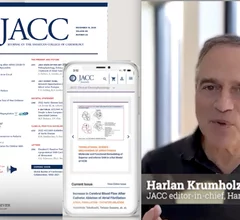
Harlan Krumholz, MD, editor-in-chief of the Journal of the American College of Cardiology, explains some of the key technology and treatment trends he has his eyes on.
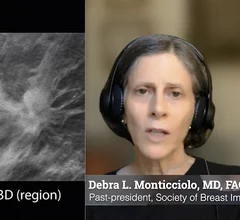
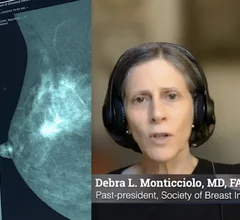
Digital breast tomosythesis now makes up close to 50% of mammography systems in the U.S. "Tomo is going to replace just straight digital mammography simply because of the benefit of fewer recalls," explained Debra L. Monticciolo, MD.
A new book designed to educate children and their families about hypertrophic cardiomyopathy was authored by Srihari Naidu, MD, and HCM patient Lindsay Davis.
Debra L. Monticciolo, MD, past president of both the Society of Breast Imaging and the American College of Radiology, explains the advantages and disadvantages of current breast screening technology.
Harlan Krumholz, MD, editor-in-chief of the Journal of the American College of Cardiology (JACC), explains changes in how the journals will be reviewing articles and disseminating information.
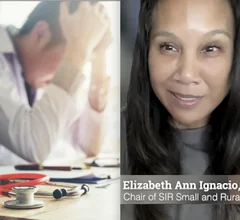
"A significant part of burnout stems from the overwhelming administrative burden," explains Elizabeth Ann Ignacio, MD, FSIR, FACR, chair of the SIR Small and Rural Practices Committee.
Kathleen Campbell Walker, JD, immigration practice group chair at the law firm Dickinson Wright, explains how outdated immigration policy is exacerbating the healthcare staffing shortage.