AI-based tools are here to stay, but one expert does not see them replacing cardiologists anytime soon. Look at recent trends in radiology, he says, to get a better idea of what cardiology's future may look like.
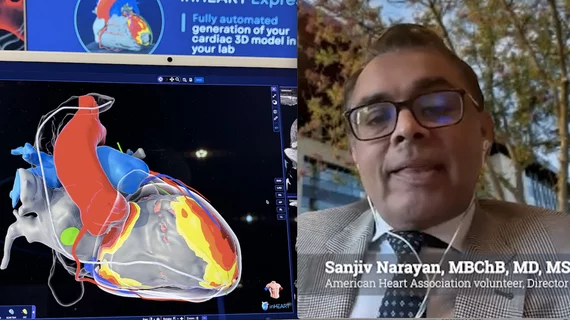
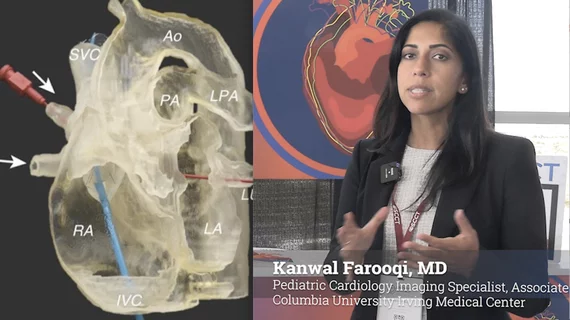
3D models can improve the visualization of challenging cardiac anatomy in addition to supporting clinical decision-making, education and procedural planning.
In rural Oklahoma, double amputees due to untreated peripheral artery disease face mortality rates around 35% after one year and 60% after two. Jim Melton, DO, hopes his mobile cardiology clinics can make a difference for these patients.
Care teams gained significant momentum in the early days of TAVR. Now, however, they are being used to address a wide variety of cardiovascular concerns.
Jim Melton, DO, a vascular surgeon in Oklahoma City, explains his efforts to reach patients in rural Oklahoma and Native American tribes with a mobile cardiovascular clinic program.
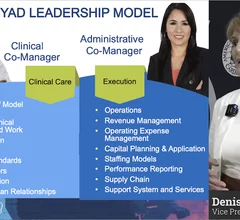
The way a cardiology department's management is organized can have a direct impact on physician satisfaction and patient care. "Without good governance and leadership, nothing else matters," one expert said.