AI-based tools are here to stay, but one expert does not see them replacing cardiologists anytime soon. Look at recent trends in radiology, he says, to get a better idea of what cardiology's future may look like.
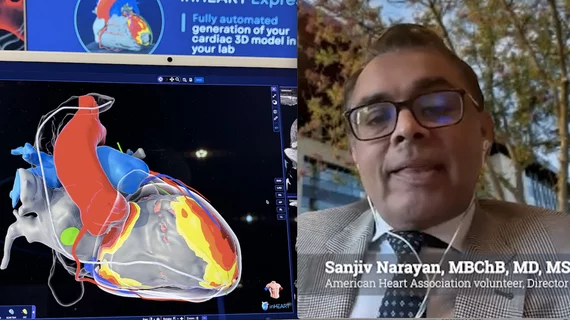
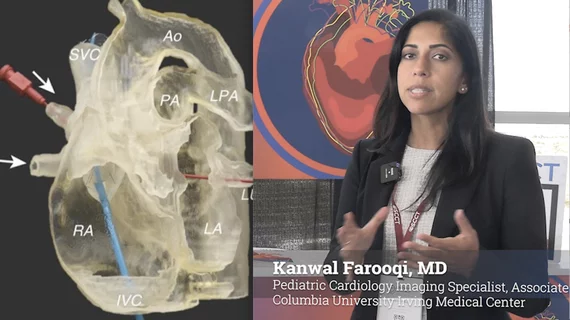
3D models can improve the visualization of challenging cardiac anatomy in addition to supporting clinical decision-making, education and procedural planning.
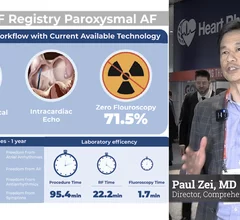
Paul Zei, MD, discusses late-breaking data from the REAL-AF Registry, which looked at the short- and long-term outcomes of radiofrequency ablation in paroxysmal and persistent atrial fibrillation.
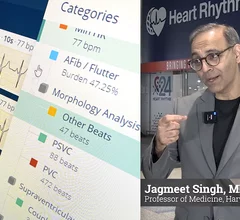
Jagmeet Singh, MD, delivered a keynote address at HRS 2024 on the future of AI in electrophysiology. He spoke to Cardiovascular Business, sharing additional thoughts about the topic.
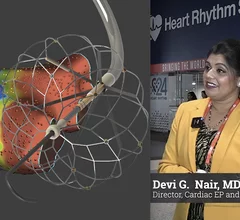
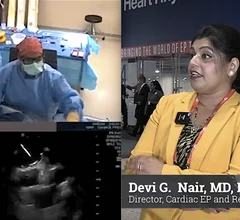
Devi Nair, MD, director of cardiac electrophysiology with St. Bernard's Heart and Vascular Center, discussed her experience using a new-look Medtronic pulsed field ablation (PFA) system to treat persistent AFib.
Heart Rhythm Society President Jodie Hurwitz, MD, told Cardiovascular Business that pulsed field ablation was one of the hottest topics at Heart Rhythm 2024. It may be early, she said, but the technology is already making an impact.
Cardiologist Jerry Blackwell, MD, president and CEO of MedAxiom, believes cardiologist can't just focus on clinical decisions, as they also must be aware the financial ramifications.