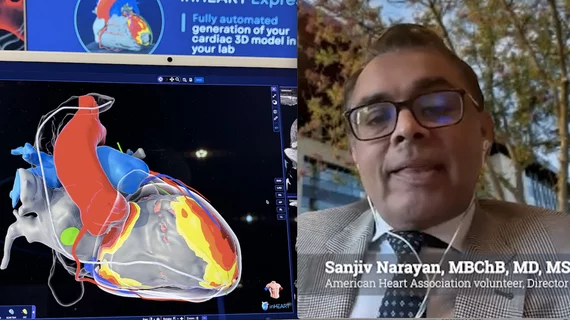
AI-based tools are here to stay, but one expert does not see them replacing cardiologists anytime soon. Look at recent trends in radiology, he says, to get a better idea of what cardiology's future may look like.
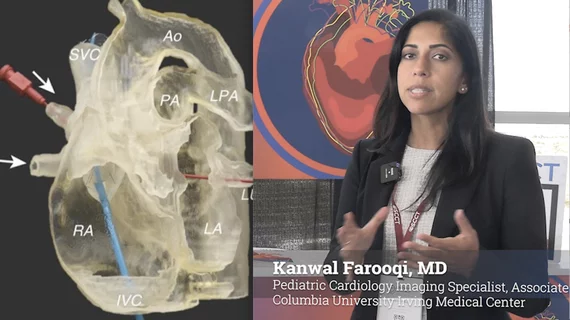
3D models can improve the visualization of challenging cardiac anatomy in addition to supporting clinical decision-making, education and procedural planning.
American Hospital Association Director of Health Policy and Analytics Bharath Krishnamurthy explains how drug shortages and supply chain issues are negatively impacting U.S. healthcare.
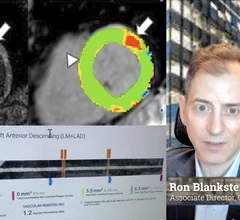
Ron Blankstein, MD, director of cardiac computed tomography for Brigham and Women’s Hospital, details recent developments in cardiac MRI, nuclear imaging and CT.
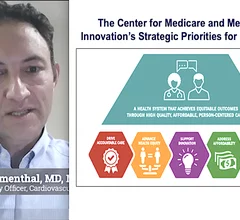
Cardiologist Dan Blumenthal, MD, MBA, explains how changes in Medicare payments will greatly impact cardiology in the years ahead. In just a few short years, the business side of cardiology could look substantially different than it does today.
Bharath Krishnamurthy, director of health policy and analytics, American Hospital Association, explains factors leading to the economic instability of the U.S. healthcare system.
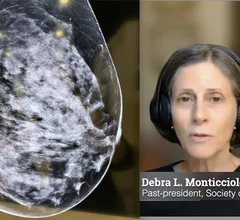
Debra Monticciolo, MD, who has previously led both the Society of Breast Imaging and the American College of Radiology, discussed how different screening strategies may impact patient outcomes.