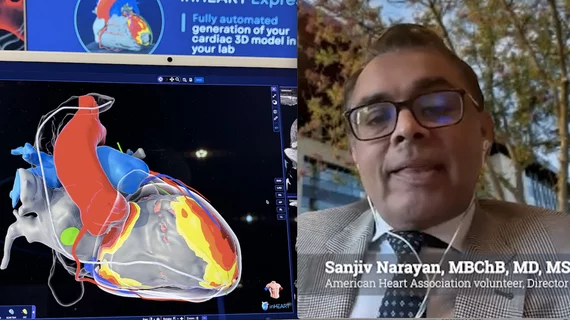
AI-based tools are here to stay, but one expert does not see them replacing cardiologists anytime soon. Look at recent trends in radiology, he says, to get a better idea of what cardiology's future may look like.
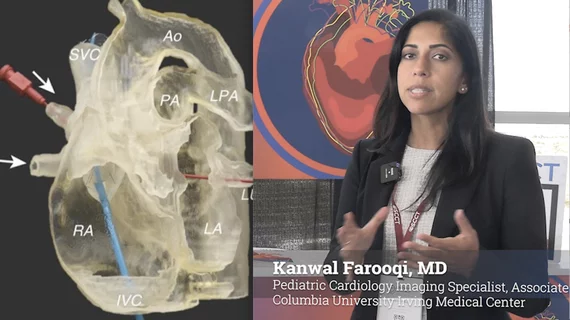
3D models can improve the visualization of challenging cardiac anatomy in addition to supporting clinical decision-making, education and procedural planning.
The Medical Group Management Association (MGMA) Senior Vice of Government Affairs, Anders Gilberg, explains MGMA’s 28-page letter to CMS on issues with the proposed 2025 Medicare Physician Fee Schedule.
Significant fluctuations in PET and CT reimbursement rates have made it especially challenging to keep up with this complex topic. We spoke to an expert to learn more.
Getting technologists, physicians and administrators to work together is a crucial part of any PET program. Research is also essential. Cardiovascular Business spoke to a specialist on the topic to learn more.
Ron Blankstein, MD, professor of radiology, Harvard Medical School, explains the use of artificial intelligence to detect heart disease in non-cardiac CT exams.
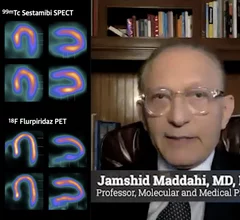
The newly approved PET radiotracer is expected to improve patient care significantly. “We have been able to reach the pinnacle of myocardial perfusion imaging with flurpiridaz," one expert said.
GE HealthCare's flurpiridaz, the PET radiotracer that recently received FDA approval, offers several key benefits over SPECT. Jamshid Maddahi, MD, discussed the details in an exclusive interview.
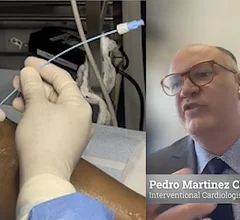
Patients often have misconceptions about the different PAD treatments that are currently available. Pedro Martinez Clark, MD, outlined those options for a new video interview.