AI-based tools are here to stay, but one expert does not see them replacing cardiologists anytime soon. Look at recent trends in radiology, he says, to get a better idea of what cardiology's future may look like.
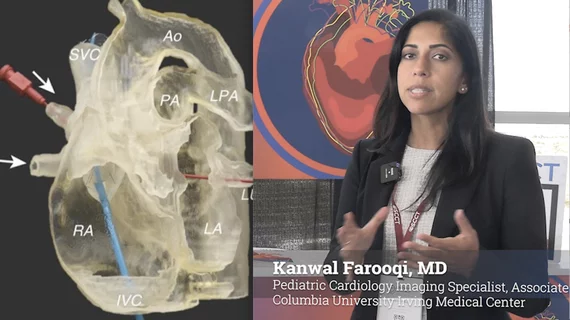
3D models can improve the visualization of challenging cardiac anatomy in addition to supporting clinical decision-making, education and procedural planning.
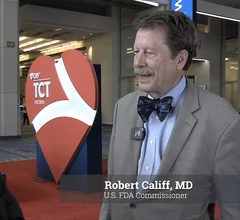
FDA Commissioner Robert Califf, MD, explains the need for hospitals to perform quality assurance checks on clinical artificial intelligence to ensure these technologies don't "drift" from what was originally cleared by the FDA.
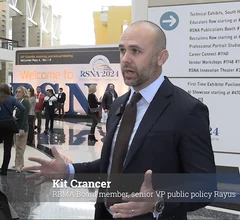
Richard Heller III, MD, RSNA board member and senior VP of policy at Radiology Partners, offers an overview of policies in Congress that are directly impacting imaging.
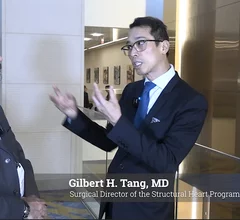
Gilbert Tang, MD, surgical director of the structural heart program at the Mount Sinai Health System, discussed a key challenge care teams often encounter during tricuspid valve procedures.
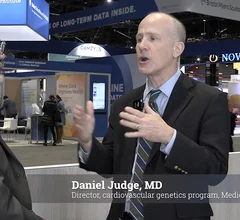
Cardiovascular Business spoke with cardiologist Daniel Judge, MD, about the long-term benefits of acoramidis, a new drug therapy that just received FDA approval to treat transthyretin amyloid cardiomyopathy.
Deepak Bhatt, MD, MPH, MBA, spoke to Cardiovascular Business about the growing importance of evaluating coronary inflammation in heart patients. There has been an explosion of interest in this area since the FDA's 2023 clearance of colchicine.