AI-based tools are here to stay, but one expert does not see them replacing cardiologists anytime soon. Look at recent trends in radiology, he says, to get a better idea of what cardiology's future may look like.
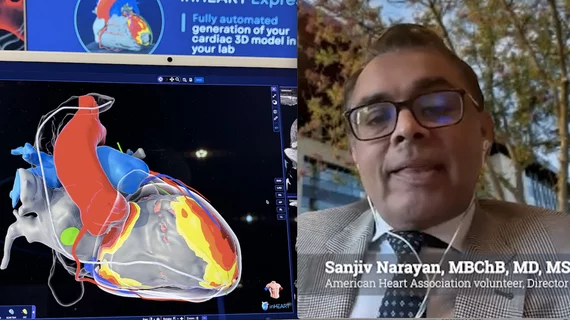
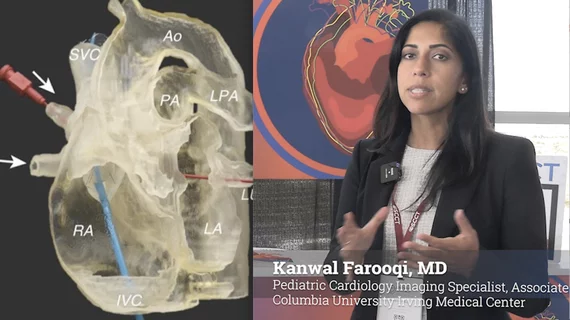
3D models can improve the visualization of challenging cardiac anatomy in addition to supporting clinical decision-making, education and procedural planning.
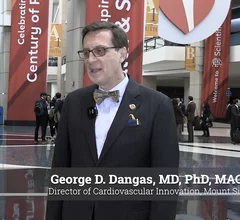
Interventional cardiology continues to evolve, driven by rapid advancements in technology. George Dangas, MD, discussed some of the specialty's biggest ongoing trends with Cardiovascular Business.
Congress temporarily extended telemedicine provisions until March amid lobby efforts by the Medical Group Management Association (MGMA) and others to make the provisions permanent.
Rakesh Gopinathannair, MD, lead author of a recent American Heart Association scientific statement on cardiac arrhythmias associated with COVID-19, reviewed the latest science associated with this important topic.
To fully leverage today's radiology IT systems, standardization is a necessity. Steve Rankin, chief strategy officer for Enlitic, explains how artificial intelligence can help.
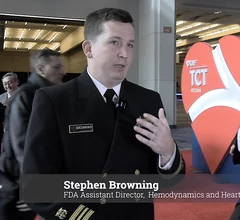
Stephen Browning, the FDA's assistant director of hemodynamics and heart failure diagnostics, spoke with Cardiovascular Business about the agency's perspective on AI-enabled cardiovascular devices and many other topics.
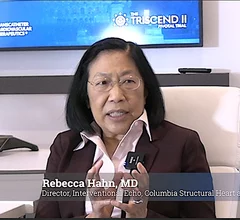
Rebecca Hahn, MD, discussed key takeaways from the TRISCEND II trial for the Edwards Lifesciences Evoque TTVR valve and shared additional details related to patient selection and implanting the device.
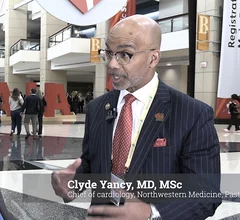
Clyde Yancy, MD, spoke with Cardiovascular Business about how the treatment of heart failure with preserved ejection fraction (HFpEF) has evolved in recent years.
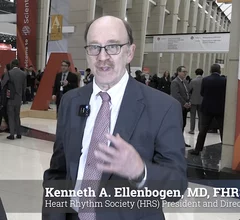
Heart Rhythm Society President Kenneth A. Ellenbogen, MD, detailed a new advocacy group focused on improving EP reimbursements, patient care and access. “If you’re not at the table, you’re on the menu," he said.