AI-based tools are here to stay, but one expert does not see them replacing cardiologists anytime soon. Look at recent trends in radiology, he says, to get a better idea of what cardiology's future may look like.
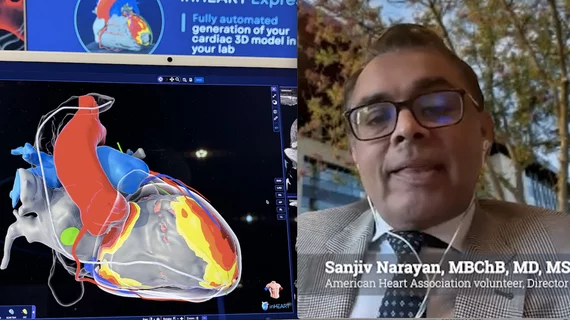
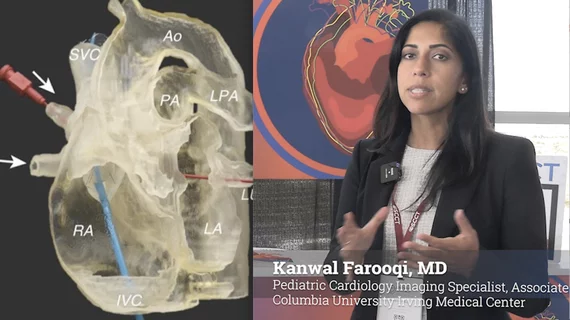
3D models can improve the visualization of challenging cardiac anatomy in addition to supporting clinical decision-making, education and procedural planning.
Radiology Business Management Association Co-executive Directors Linda Wilgus and Jessica Struve share some of the highlights from the first day of the organization's annual meeting.
The initiative is designed to help identify more patients who may require aortic valve replacement. Brian Lindman, MD, provided an update on the project's efforts.
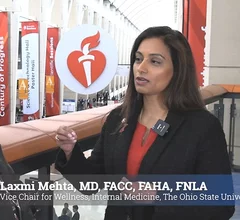
Laxmi Mehta, MD, explained that the use of statins when treating pregnant women is no longer forbidden. However, she added, cardiologists should always discuss it first with their patients.
Steven Bolling, MD, noted that tricuspid treatments have been linked to consistent benefits in terms of quality of life. However, he said, finding clear improvements in clinical outcomes has been more challenging.
Laxmi Mehta, MD, detailed several ways she and her colleagues at The Ohio State University are working to combat the rising levels of burnout among cardiologists.
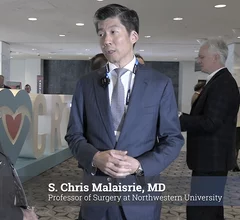
S. Chris Malaisrie, MD, professor of surgery at Northwestern University, explained what these data can tell us about the lifetime management of patients who require aortic valve replacement.
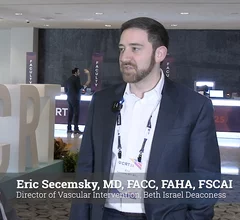
Bioresorbable stents are back in the spotlight thanks to some significant progress from multiple medtech companies. Eric Secemsky, MD, discussed some of the biggest breakthroughs in this space at CRT 2025.