AI-based tools are here to stay, but one expert does not see them replacing cardiologists anytime soon. Look at recent trends in radiology, he says, to get a better idea of what cardiology's future may look like.
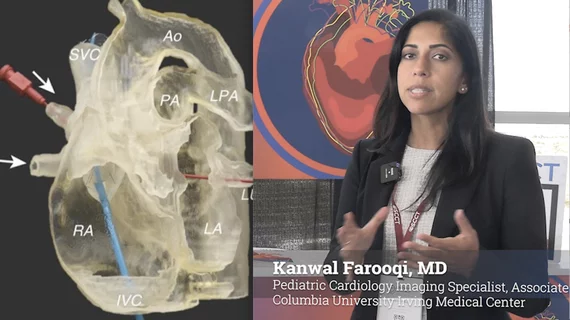
3D models can improve the visualization of challenging cardiac anatomy in addition to supporting clinical decision-making, education and procedural planning.
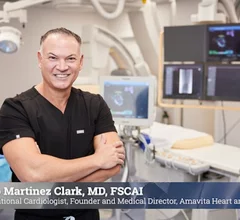
Pedro Martinez-Clark, MD, an interventional cardiologist and founder of Amavita Heart and Vascular Health, explains the health disparities he encounters that block the delivery of care in certain parts of Miami.
Dana Smetherman, MD, CEO of the American College of Radiology, explains resources available through its Data Science Institute to evaluate and validate the quality of imaging algorithms.
Elizabeth Ann Ignacio, MD, FSIR, FACR, chair of SIR Small and Rural Practices Committee, and an ACR board member, outlines ways to make these positions outside of major cities more attractive.
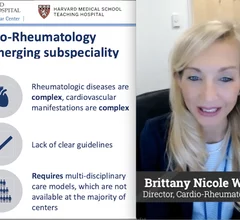
Cardio-rheumatology clinics use a heart team-like approach to enhance care for patients with chronic conditions such as lupus, psoriasis and rheumatoid arthritis. "It's not just about cardiology," the director of one clinic explains. "We work closely with rheumatologists, dermatologists and even primary care physicians to provide comprehensive care."
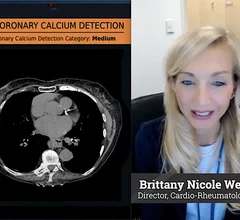
Brittany Nicole Weber, MD, PhD, detailed new research into the benefits of screening for cardiovascular disease in CT scans not specifically ordered for that purpose. The rise of AI has helped make opportunistic screening a huge trend in both cardiology and radiology.
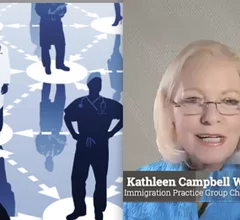
Kathleen Campbell Walker, JD, immigration practice attorney, and past president of the American Immigration Lawyers Association (AILA), explains the barriers to global physician mobility amid growing shortages.
Pedro Martinez Clark, MD, FSCAI, interventional cardiologist, medical director of Amavita Heart and Vascular Health in Miami, set up community outreach efforts to screen patients in low-income neighborhoods.