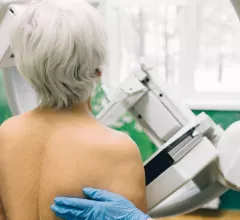
Women’s imaging encompasses many radiology procedures related to women and the diseases that are most prevalent to women such as breast cancer or gynecological issues. Mammogram, breast ultrasound, breast MRI and breast biopsy are the most commonly used procedures.

The group was recently asked to provide input on a new set of recommendations for image-guided biopsies of suspicious breast lesions—offering providers clarity on key clinical scenarios.
Published Friday in JAMA, scientists recently explored a risk-based mammography tactic that tailors regular imaging regimens to each individual’s danger of developing the disease.
In some cases, it may actually be more beneficial for this group of women to forego the extra scans, as they can lead to additional testing, costs and potentially delays in care.
Between 20% to 24% of all breast cancers diagnosed during a decade-long period were found in women between the ages of 18 to 49, according to research presented at RSNA 2025.
One 3D mammogram acquired via digital breast tomosynthesis adds about 500 MB of image data to a hospital’s storage system. That’s the average. On the high end, a single study can occupy as much as 3 GB of real estate on a finite-volume storage server.
Radiologist Chirag Parghi, MD, slid into the role in May following stints as interim CMO and director of breast imaging across several Houston-area locations.
Mass General physicians believe this practice is sustainable, resulting in less time spent on scheduling, reduced room cleaning, and lowering the chance of errors.