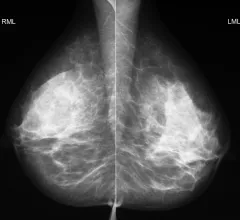
Women’s imaging encompasses many radiology procedures related to women and the diseases that are most prevalent to women such as breast cancer or gynecological issues. Mammogram, breast ultrasound, breast MRI and breast biopsy are the most commonly used procedures.

The group was recently asked to provide input on a new set of recommendations for image-guided biopsies of suspicious breast lesions—offering providers clarity on key clinical scenarios.
Published Friday in JAMA, scientists recently explored a risk-based mammography tactic that tailors regular imaging regimens to each individual’s danger of developing the disease.
In some cases, it may actually be more beneficial for this group of women to forego the extra scans, as they can lead to additional testing, costs and potentially delays in care.
Between 20% to 24% of all breast cancers diagnosed during a decade-long period were found in women between the ages of 18 to 49, according to research presented at RSNA 2025.
Adding MRI to mammography screening for breast cancer detects more cancers, but results in more unnecessary biopsies, according to a June 4 study published in Radiology.
The researchers analyzed the frequency and cancer yield of ACR Breast Imaging Reporting and Data System (BI-RADS) 3 lesions in patients who received baseline and non-baseline screening MRIs.
Short-interval follow-up MRI is an effective tool for identifying early-stage breast cancer, according to findings to be presented at the American Roentgen Ray Society (ARRS) 2019 Annual Meeting in Honolulu.
The American College of Physicians (ACP) now recommends that average-risk women with no symptoms undergo breast cancer screening with mammography every other year, beginning at the age of 50. The ACP explained its decision through a new guidance statement published in Annals of Internal Medicine.
When women learn that they have dense breast tissue after a mammogram, should they seek out supplemental screening? A new study published in the Journal of Breast Imaging asked radiologists what they currently recommend for patients at all risk levels.
New research involving breast cancer patients in the U.S. Military Health System found that black women wait longer to undergo breast cancer surgery after being diagnosed with the disease than white women, according to a study published Jan. 23 in JAMA Surgery.
Pairing breast MRI with a test that characterizes breast cancer genes can lead to a more personalized treatment approach for patients with ductal carcinoma in situ (DCIS), reported authors of a recent study published in JAMA Oncology.