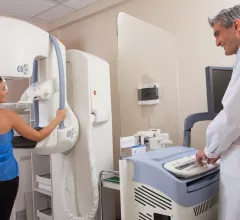
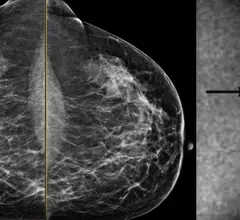
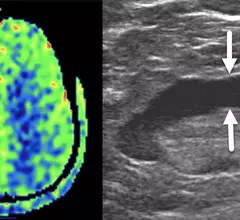
Women’s imaging encompasses many radiology procedures related to women and the diseases that are most prevalent to women such as breast cancer or gynecological issues. Mammogram, breast ultrasound, breast MRI and breast biopsy are the most commonly used procedures.

The group was recently asked to provide input on a new set of recommendations for image-guided biopsies of suspicious breast lesions—offering providers clarity on key clinical scenarios.
Published Friday in JAMA, scientists recently explored a risk-based mammography tactic that tailors regular imaging regimens to each individual’s danger of developing the disease.
In some cases, it may actually be more beneficial for this group of women to forego the extra scans, as they can lead to additional testing, costs and potentially delays in care.
Between 20% to 24% of all breast cancers diagnosed during a decade-long period were found in women between the ages of 18 to 49, according to research presented at RSNA 2025.
A “substantial” deficit of missed mammography appointments is likely deepening disparities during the pandemic, according to new research published in JAMA Network Open.
Black women were twice as likely to face delays greater than 45 days, and those experiencing this long lag were 1.6 times more likely to die, experts wrote in JACR.
Researchers sought to answer this question using data from the Breast Cancer Care in Chicago study of patients treated at disproportionate share hospitals and other institutions.
The American College of Radiology and Society of Breast Imaging noted women of color are 72% more likely to be diagnosed with the disease before they turn 50 compared to non-Hispanic white women.