Women’s imaging encompasses many radiology procedures related to women and the diseases that are most prevalent to women such as breast cancer or gynecological issues. Mammogram, breast ultrasound, breast MRI and breast biopsy are the most commonly used procedures.

The group was recently asked to provide input on a new set of recommendations for image-guided biopsies of suspicious breast lesions—offering providers clarity on key clinical scenarios.
Published Friday in JAMA, scientists recently explored a risk-based mammography tactic that tailors regular imaging regimens to each individual’s danger of developing the disease.
In some cases, it may actually be more beneficial for this group of women to forego the extra scans, as they can lead to additional testing, costs and potentially delays in care.
Between 20% to 24% of all breast cancers diagnosed during a decade-long period were found in women between the ages of 18 to 49, according to research presented at RSNA 2025.
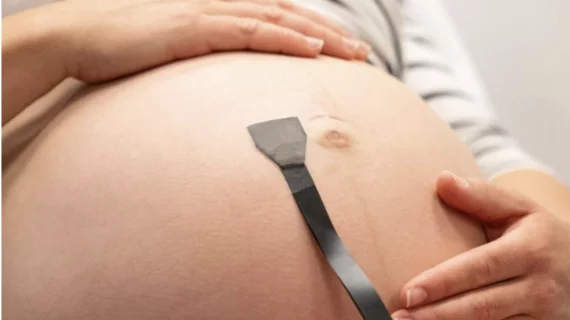
Ultrasound assessments of fetal head position have been used to predict delivery mode, but never delivery difficulty, experts recently discussed in the Journal of Gynecology Obstetrics and Human Reproduction.
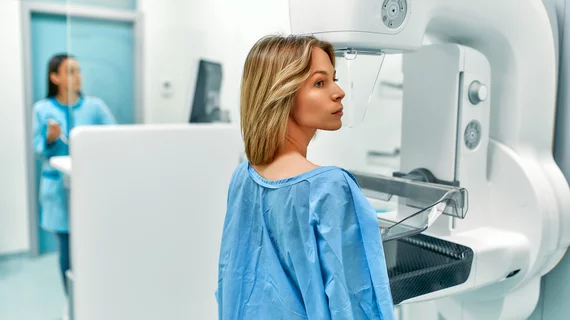
The latest U.S. Food and Drug Administration data on mammography systems installed nationwide shows DBT systems are rapidly replacing traditional 2D full field digital mammography units.
The U.S. Food and Drug Administration detailed instructions on how breast imaging providers can appeal decisions related to their accreditation and certification.
"The delay in morphological development cannot be fully recuperated during the course of the pregnancy, as is shown by the 20-week ultrasound scans and birth weights,” experts cautioned in Human Reproduction.