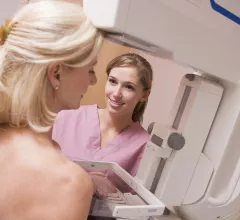
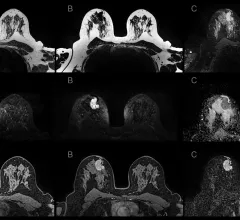
Women’s imaging encompasses many radiology procedures related to women and the diseases that are most prevalent to women such as breast cancer or gynecological issues. Mammogram, breast ultrasound, breast MRI and breast biopsy are the most commonly used procedures.

The group was recently asked to provide input on a new set of recommendations for image-guided biopsies of suspicious breast lesions—offering providers clarity on key clinical scenarios.
Published Friday in JAMA, scientists recently explored a risk-based mammography tactic that tailors regular imaging regimens to each individual’s danger of developing the disease.
In some cases, it may actually be more beneficial for this group of women to forego the extra scans, as they can lead to additional testing, costs and potentially delays in care.
Between 20% to 24% of all breast cancers diagnosed during a decade-long period were found in women between the ages of 18 to 49, according to research presented at RSNA 2025.
Financial terms were not disclosed, but the two said the funds will fuel future expansion of its AI-based products, used for reading, reporting and processing images.
The bills update the ages at which insurance carriers are required to cover screening mammograms and add language that includes tomosynthesis in the definition of mammographic screening.
Researchers are recommending a multi-modal approach to breast density education after survey results found that a "one size fits all" method fails many women.
The software was trained using more than 700 images and achieved a breast density classification accuracy of 89%, experts recently shared in Radiology: Artificial Intelligence.
Women with breast arterial calcifications are 51% more likely to develop heart disease or have a stroke, experts explained recently in Circulation: Cardiovascular Imaging.
In an exclusive video, Stacey Wolfson, MD, and Beatriu Reig, MD, MPH, from the NYU Grossman School of Medicine, discuss the findings of their new analysis.
There are not yet consensus-based guidelines available for screening women with dense breast tissue, so researchers at Mayo Clinic recently developed a set of recommendations regarding supplemental screening.