Molecular Imaging

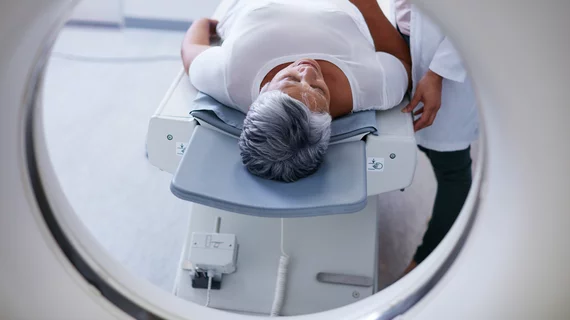
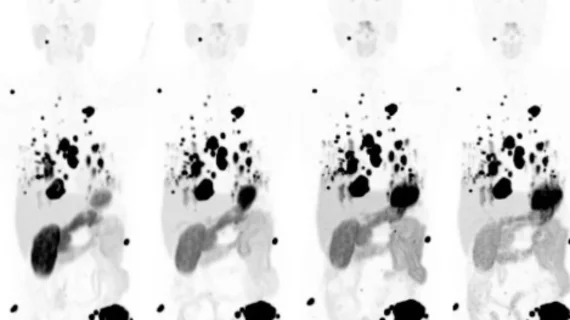
Molecular imaging (also called nuclear medicine or nuclear imaging) can image the function of cells inside the body at the molecular level. This includes the imaging modalities of positron emission computed tomography (PET) and single photon emission computed tomography (SPECT) imaging. How does PET and SPECT imaging work? Small amounts of radioactive material (radiopharmaceuticals) injected into a patient. These can use sugars or chemical traits to bond to specific cells. The radioactive material is taken up by cells that consume the sugars. The radiation emitted from inside the body is detected by photon detectors outside the body. Computers take the data to assemble images of the radiation emissions. Nuclear images may appear fuzzy or ghostly rather than the sharper resolution from MRI and CT.  But, it provides metabolic information at a cellular level, showing if there are defects in the function of the heart, areas of very high metabolic activity associated with cancer cells, or areas of inflammation, data not available from other modalities. These noninvasive imaging exams are used to diagnose cancer, heart disease, Alzheimer’s and Parkinson’s disease, bone disorders and other disorders. 

Agendia announces study showing molecular subtyping can improve breast cancer treatment

In findings that may eventually change the way breast cancer is evaluated and treated, a new study reports that the BluePrint genomic test provides more accurate information about the molecular subtype of a specific breast cancer, compared to the use of conventional IHC-FISH pathology tests.

Cancer screening bias casts a shadow on clinical decision making

In the world of cancer screening, there may be a bias of accessibility that is skewed toward more screening when doctors are paid more by Medicaid, according to a study conducted by the division of health services and social policy research at RTI International in Washington, D.C.

Radiant Sage named on CIOReview list of 100 most promising technology companies

Radiant Sage LLC, a provider of on-demand clinical trial imaging infrastructure solutions, today announced that it has been named to CIOReview's list of 100 Most Promising Technology Companies. The CIOReview100 includes companies that are gaining momentum in the technology industry and making an impact.

Chronic pain and loss of motivation are chemically intertwined

Chronic pain is associated with a reduction in reward seeking, but not just because people are hurting and do not feel up to the task. New Stanford brain research is providing a more comprehensive picture of how molecular changes in the brain dictate loss of motivation in painful settings.

Will biosimilars burst into a $36B U.S. market?

It is easy to create generics from conventional drugs, but not so for biologics, which involve active biological ingredients such as proteins that can be leveraged to treat cancer and a range of other diseases. Biosimilars, which mimic biologics as closely as possible, could be the next big thing in the U.S., but a hot debate has been pitched over what to name these drugs.

Optogenetics lights up neurons after stroke

A treatment for stroke involving optogenetics fires up neurons in the motor cortex by way of a beam of light. This treatment has been shown in preclinical research to improve movement and coordination after a stroke, say researchers at Stanford University in Stanford, Calif.

Thumbnail

Plato's Cave pushes advanced visualization out of the dark

Plato's Cave, short for computer augmented virtual environment, is a 5D imaging masterpiece engineered by researchers at the Methodist Hospital in Houston that combines PET, MR and CT imaging on multiple screens, including a touch-screen table top, and the ability to use voice commands and game controllers to manipulate and fly-through medical images for better treatment planning.

Thumbnail

A potential biomarker for PTSD

It may seem like an unlikely connection, but an aversion to kitty litter has led to a very interesting discovery about post-traumatic stress disorder (PTSD) that could one day lead to a diagnostic test and perhaps even a drug therapy,