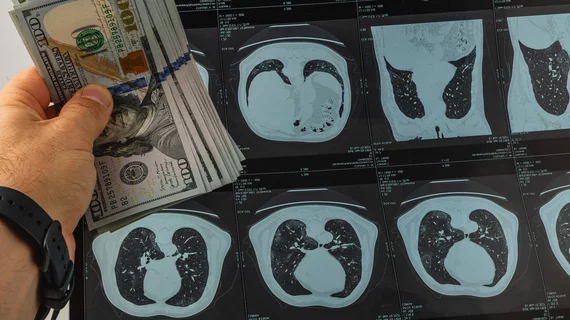
Radiology compensation is more than just radiologist salaries. It also includes radiologic technologist and interventional radiology compensation, along with other subspecialties. Radiology pay incorporates bonuses, incentives, benefits and vacation time.

More than 2,000 cardiologists are required to participate in the new payment model. According to CMS, the long-term goal is to track and reduce the high healthcare costs associated with treating heart failure.
Amid work-from-home disparities between interventional and diagnostic rads, researchers recently interviewed hundreds of IRs to learn about the landscape.
Across all specialties, women docs collect 78 cents for every dollar taken in by men—a figure that adds up to $3.3 million over the course of a 30-year career, according to Marit Health.
Financial literacy is no longer optional for physicians. “If you're not financially viable, you can't function,” explained Nirat Beohar, MD. “The business education is probably just as important as learning a new procedure.”
Last year was the first time in a decade physician salaries didn’t increase by at least 2 percent, according to a survey published this week by AMGA Consulting. Though radiologists saw a dip in their average salaries, they’re still faring well compared to specialties like neurology and internal medicine.
Radiology is now the fourth most requested physician search assignment, according to a new report from Merritt Hawkins. The specialty’s average starting salary, however, is down 15 percent—dropping from $436,000 in 2017 to $371,000 in 2018.
The average salary for a radiology resident is $60,700, according to a new report published by Medscape. This puts radiology in the middle of the pack among all specialties.
The average annual salary for radiologists is $401,000 per year, according to Medscape’s Physician Compensation Report 2018. But how does that compare to other specialties?