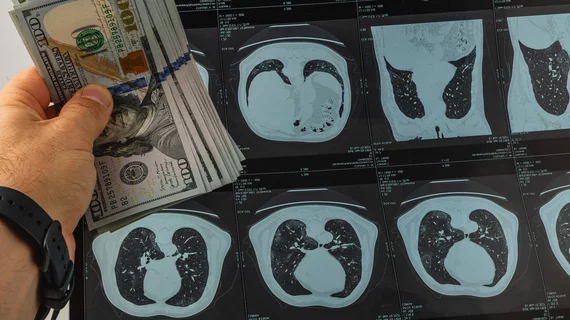
Radiology compensation is more than just radiologist salaries. It also includes radiologic technologist and interventional radiology compensation, along with other subspecialties. Radiology pay incorporates bonuses, incentives, benefits and vacation time.

The figure places the specialty third among medicine’s highest earners, behind only orthopedics ($611,000) and cardiology ($575,000), Medscape reports.
The Columbus, Ohio-based imaging group is repositioning the business to “strengthen brand visibility, clarify service offerings and support long-term growth in an increasingly competitive radiology marketplace.”
More than 2,000 cardiologists are required to participate in the new payment model. According to CMS, the long-term goal is to track and reduce the high healthcare costs associated with treating heart failure.
Amid work-from-home disparities between interventional and diagnostic rads, researchers recently interviewed hundreds of IRs to learn about the landscape.
Across all specialties, women docs collect 78 cents for every dollar taken in by men—a figure that adds up to $3.3 million over the course of a 30-year career, according to Marit Health.
More than four-fifths of healthcare provider organizations are shorthanded of allied health professionals, and the job title with the most unfilled positions in the category is radiologic technologist.
Almost half of U.S. women covered by or eligible for Medicare have not been screened for breast cancer for at least three years, according to a study just out from the Radiology Business Management Association.
The American College of Radiology is again linking arms with the American College of Emergency Physicians (ACEP) and American Society of Anesthesiologists (ASA) in a lawyer-guided effort to iron out an abrading wrinkle in the No Surprises Act.
The academics turn the tables in median starting salaries, edging out private-practice interventional radiologists $380,000 to $374,000 while also working fewer weekly call days.
At scientific journals focused on medical imaging, 82% of editors-in-chief and 30% of editorial board members receive financial compensation for these side jobs.
Warning that proposed new cuts in Medicare reimbursement could afflict U.S. healthcare with “severe and permanent damage,” the Radiology Business Management Association has presented CMS with detailed recommendations for stopping such a dire scenario from arising.