The team’s work will emphasize the role of specialized MRI techniques capable of detecting subtle changes around tumors with the help of pH-based imaging.
Using a virtual reality headset, the system, dubbed AR-VIU (augmented real-time volumetric imaging in ultrasound), creates a 3D rendering of anatomy based on 2D ultrasound images.
Atul Verma, MD, director of cardiology at McGill University Health Centre in Montreal, explained why the late-breaking PULSED-AF trial data on Medtronic’s pulsed-field ablation technology is so important for cardiologists.
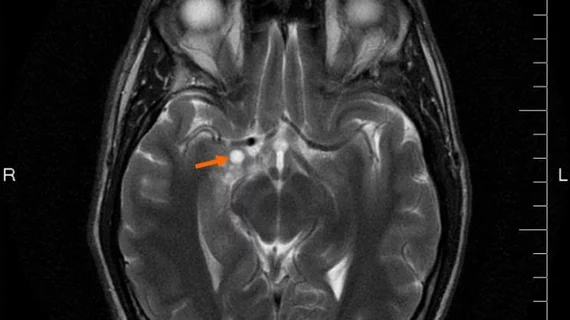
In comparison to a cohort of individuals who were unaffected by either condition, the differences in brain stem volume were found to be significant, according to a paper published recently in Frontiers in Neuroscience.
A new experimental study focused on how different sex hormones can affect the heart's ability to properly pump blood. Estradiol, the most active form of estrogen, stood out as a hormone that requires additional research.
Electromyometrial imaging creates 3D maps of contractions during labor in real-time, which can help clinicians track contraction patterns and make decisions regarding patient management.