Compared with postoperative stereotactic radiation therapy, an investigational intraoperative RT approach could significantly reduce local tumor recurrence and improve survival in patients with newly diagnosed operable brain metastases.
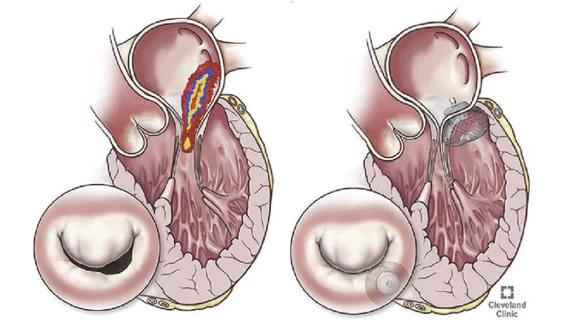
The new device, designed to perform mitral valve repair in patients with functional MR, was co-invented by cardiologist Samir Kapadia, MD, and surgeon Jose Navia, MD.
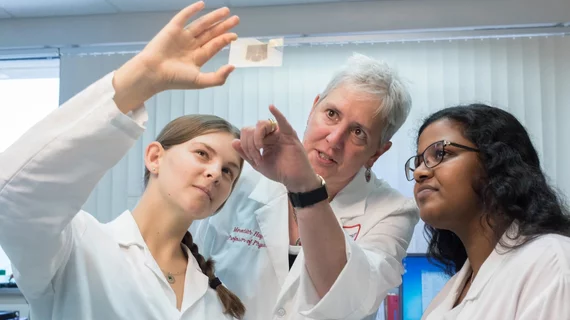
“Patients are in desperate need of an effective treatment, and we are doing everything we can to help find that treatment,” one scientist explained. “The greatest reward would be to see a safe and effective treatment for people who currently have very few options.”
The randomized, double-blinded phase 3 study revealed gadopiclenol to be noninferior to gadobutrol for all qualitative visualization parameters as rated by all blinded readers involved in the trial.
Researchers at the National Institute of Standards and Technology (NIST) are working on developing measurements that will provide better insight into soft tissue properties visualized on portable MRI images.
The program leverages the in-context learning abilities of large language models to generate report summaries using domain-specific, individualized data relative to radiology.
The FDA Circulatory System Devices Panel is set to review the PMA submissions for the ReCor and Medtronic renal denervation systems to treat patients with uncontrolled hypertension.