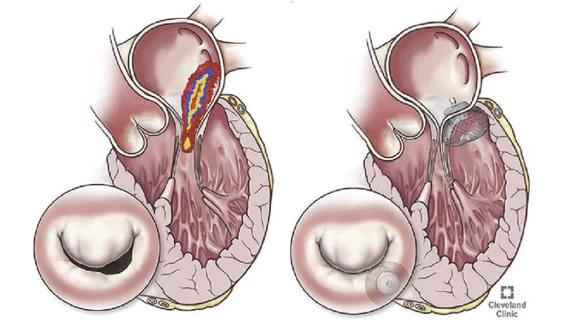
The new device, designed to perform mitral valve repair in patients with functional MR, was co-invented by cardiologist Samir Kapadia, MD, and surgeon Jose Navia, MD.
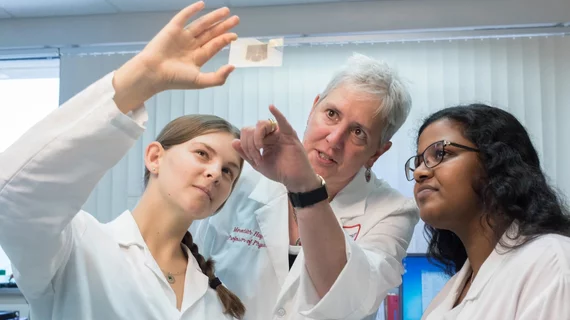
“Patients are in desperate need of an effective treatment, and we are doing everything we can to help find that treatment,” one scientist explained. “The greatest reward would be to see a safe and effective treatment for people who currently have very few options.”
The DurAVR transcatheter heart valve, developed by Minnesota-based Anteris Technologies, was designed to move and perform like a healthy, pre-disease native aortic valve.
The new analysis, published in JAMA, suggests that CT results can help identify medium- and high-risk patients who may need to be considered for statin therapy or other preventive treatments.
Daniel Cantillon, MD, explained why the positive performance of Abbott's Aveir dual-chamber leadless pacemaker could lead to considerable improvements in patient care.
The research, published in Stroke and Vascular Neurology, suggests that just four hours of physical activity per week can reduce the significance of a brain bleed.
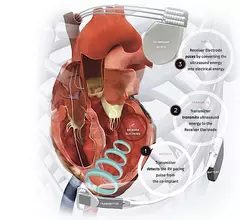
Results from a pivotal clinical trial presented as a late-breaker at Heart Rhythm 2023 indicate that a new leadless pacemaker technology can deliver cardiac resynchronization therapy in patients who were not able to be treated with conventional CRT and epicardial leads.
The use of left bundle branch area pacing (LBBAP) is growing in electrophysiology implanted devices. Two late-breaking studies at Heart Rhythm 2023 highlight the success of LBBAP as an alternative to the standard of care using biventricular pacing.
The new drug, asundexian, is currently the subject of two multicenter Phase III studies—the OCEANIC-AF trial and OCEANIC-STROKE trial—focused on its safety and efficacy.