Becoming a father seems to make a man less likely to die young. What’s more, when a father passes away within the first five years of his child’s life, the cause is usually non-natural and thus preventable.
Researchers tracked real-world data from 600 TAVR patients, following each one for approximately five years. Survival rates were similar for men and women early on, but then women started experiencing better outcomes after three years.
Using a DCB that releases sirolimus over an extended period of time appears to be both safe and effective when treating patients who present with NSTEMI or unstable angina.
The popular drugs, originally developed to treat diabetes, were also associated with an improved survival rate. Benefits were seen in patients who did and did not lose significant weight as a result of treatment.
Published in Clinical Imaging, the responses indicate that Trump administration policies have made it more difficult to acquire funding and collaborate with other researchers.
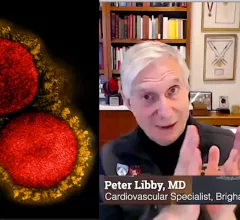
A well-known cardiologist who once fully supported COVID-19 vaccines is now saying he thinks they have done more harm than good. Online, as one might expect, people on both sides of this particular debate have been quick to respond.
Researchers have received a five-year grant worth $30 million to study how a new-look physical rehab program impacts outcomes among older HFpEF patients.
Diabetes and atrial fibrillation are just some of the factors that can increase a patient's risk of being hospitalized for heart failure within one year of undergoing a successful TAVR procedure.
An AI startup in the neuro-oncology space has received the government’s go-ahead to market software for analyzing certain fast-growing brain tumors on MRI.
If generalizable AI models are to meaningfully contribute to precision cancer care, they’ll need to incorporate not only imaging data but also digitalized clinical notes, biomarker assays and monitor readouts.
Could wearables help AFib patients take fewer blood-thinning medications and reduce their risk of stroke? The team behind a new seven-year analysis hopes to find out.
Researchers have shared an updated analysis of the SMART-CHOICE study, focusing on major adverse cardiac and cerebrovascular events—as well as bleeding events—among PCI patients after three years.