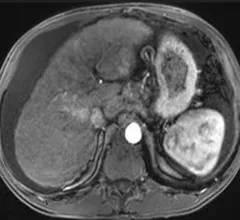
“With generative AI becoming more capable of producing remarkably convincing radiology reports, there’s a greater risk of fabricated reports being used to falsify medical histories and support fraudulent claims,” the team cautioned.
When working-age adults develop cardiovascular disease, it often ends up eating up a significant amount of their income. Are insurance companies doing enough to help these patients?
The American Association for Thoracic Surgery has announced a new partnership with the Cardiothoracic Surgical Trials Network. The groups plan on working together to address current challenges in cardiothoracic surgery research.
Nearly 30% of corresponding authors included in the analysis shared that they had witnessed scientific fraud in their department within the last five years.
A well-known cardiologist who once fully supported COVID-19 vaccines is now saying he thinks they have done more harm than good. Online, as one might expect, people on both sides of this particular debate have been quick to respond.
Researchers have received a five-year grant worth $30 million to study how a new-look physical rehab program impacts outcomes among older HFpEF patients.
Diabetes and atrial fibrillation are just some of the factors that can increase a patient's risk of being hospitalized for heart failure within one year of undergoing a successful TAVR procedure.
An AI startup in the neuro-oncology space has received the government’s go-ahead to market software for analyzing certain fast-growing brain tumors on MRI.
If generalizable AI models are to meaningfully contribute to precision cancer care, they’ll need to incorporate not only imaging data but also digitalized clinical notes, biomarker assays and monitor readouts.
Could wearables help AFib patients take fewer blood-thinning medications and reduce their risk of stroke? The team behind a new seven-year analysis hopes to find out.