Home

Cardiology Associations

This page includes news coverage of cardiology societies and associations. Follow these links for specific cardiology society news pages: American College of Cardiology (ACC), American Heart Association (AHA), American Society of Echocardiography (ASE),  American Society Nuclear Cardiology (ASNC), European Society of Cardiology (ESC), Heart Rhythm Society (HRS), Society for Cardiovascular Angiography Interventions (SCAI), Society of Cardiovascular Computed Tomography (SCCT), Transcatheter Cardiovascular Therapeutics (TCT), and Vascular Interventional Advances (VIVA). 

RSS icon

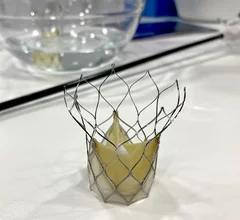
  • Performing transcatheter aortic valve replacement (TAVR) with the J-Valve transcatheter heart valve (THV) may help limit the risk of coronary artery obstruction (CAO) in high-risk patients, according to a new study published in Clinical Interventions in Aging.[1]

    TAVR with Edwards Lifesciences valve for severe AR linked to ‘encouraging’ data

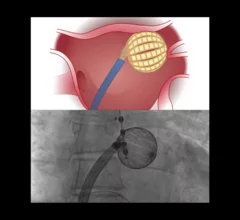
    All patients presented with severe aortic regurgitation. The study's findings were presented at New York Valves 2026 and published in JSCAI.

  • Thumbnail

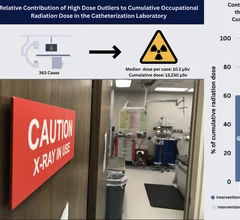
    Chest pain drug lowers risk of kidney injury after PCI

    Treating certain high-risk PCI patients with nicorandil before and after treatment can significantly reduce their risk of contrast-related injuries.

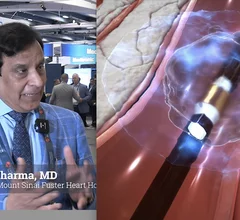
  •  Derek Pineda, FNP, CCRN, RCIS, FACC, with Mount Sinai Fuster Heart Hospital, explains the use of a digital app platform for STEMI team coordination that helped his health system improve STEMI outcomes.

    New digital platform gets clinicians on the same page when treating heart attacks

    One of the platform's biggest benefits is the rich clinical information it provides to all members of the care team.

  • heart doctor cardiologist

    Sex-specific outcomes after TAVR and SAVR: Key takeaways from a new meta-analysis

    TAVR was associated with early benefits for women. After five years, however, outcomes were comparable across the board.

  • Hundreds of cardiologists incorrectly added to new mandatory payment model

    When CMS shared a list of cardiologists being targeted with a brand new payment model, the American College of Cardiology identified a long list of apparent mistakes.

Video interview with Wael Jaber, MD, chair of the 2025 American Society of Nuclear Cardiology (ASNC) annual meeting, director of nuclear cardiology and a professor of medicine at Cleveland Clinic, shares some of the key highlights from the conference.

Key trends in nuclear cardiology take center stage at ASNC 2025

Wael Jaber, MD, chair of the 2025 American Society of Nuclear Cardiology annual meeting, shared some key takeaways from the conference. “This is no longer just about imaging for coronary disease," he explained. "Nuclear cardiology now helps guide therapy across a wide range of conditions."

Cardiologists have developed an open-source artificial intelligence (AI) model capable of accurately evaluating a long list of measurements on echocardiography results. The group detailed the development and validation of that model in the Journal of the American College of Cardiology.

Open-source AI model delivers accurate echocardiography assessments

The algorithm, trained on more than 150,000 TTE studies, can calculate 18 different measurements regularly used in echocardiography

American Society of Nuclear Cardiology (ASNC) President-elect Jamieson M. Bourque, MD, MHS, FASNC, medical director of nuclear cardiology, echocardiography, and the stress laboratory at UVA Health in Charlottesville, and a professor of medicine and radiology at the University of Virginia, said the society is fighting a major proposed cut in CMS reimbursements in 2026.

ASNC calls on members to fight 57% Medicare cut for cardiac amyloid imaging

Jamieson M. Bourque, MD, MHS, president-elect of the American Society of Nuclear Cardiology, shared the group's concerns with Cardiovascular Business. “This is going to have a highly negative impact," he said. 

The Medtronic CoreValve Evolut and the Edwards Lifesciences Sapien 3 TAVR valves.

TAVR still a safe option for patients with nickel allergies

More research is still needed, as this study only included data from a small number of patients, but TAVR was not linked to any severe adverse events or allergic reactions.

Exploring the link between left ventricular diastolic function and AFib

Evaluating LVDF with echocardiography or AI-powered electrocardiography can help identify individuals at an increased risk of developing atrial fibrillation, according to new data presented at the ASE 36th Annual Scientific Sessions.

The key figure from NEJM publication confirms the survival benefit of Impella CP increases year-over-year. Source: Møller J, et al. Long Term Outcomes of the DanGer Shock Trial. N Engl J Med 2025.

DanGer Shock update: Impella CP heart pump linked to long-term survival benefit

When patients present with STEMI-related cardiogenic shock, treatment with the Impella CP appears to make a positive impact that lasts for at least a decade.

Newsweek ranked the 50 best heart hospitals in the world

Q&A: Cardiologist explores CMS proposal to cover cardiac ablations performed in ambulatory surgical centers

CMS has proposed a policy shift that would allow cardiac ablation procedures to be performed in ambulatory surgical centers. Arash Aryana, MD, PhD, a veteran cardiac electrophysiologist, explained why he is "extremely encouraged" by this proposal, highlighting several potential benefits. 

Toby Rogers, MD, PhD, associate professor of medicine Georgetown University, and interventional cardiologist at MedStar Heart and Vascular Institute Structural Heart Disease program, explains how the transcatheter electrosurgical procedures for transcaval access, SESAME, LAMPOON and BASILICA has helped large numbers of patients receive transcatheter heart valves who otherwise would have been disqualified due to anatomical issues.

Advances in electrosurgical techniques have helped thousands of transcatheter valve patients

Toby Rogers, MD, associate professor of medicine at Georgetown University and an interventional cardiologist at MedStar, explains how electrosurgical procedures for transcaval access have helped large numbers of patients receive transcatheter heart valves who otherwise would have been disqualified due to anatomical issues. 
 

Pagination

    • First page « First
    • Previous page ‹ Previous
    • Page …31
    • Page 32
    • Page 33
    • Page 34
    • Current page 35
    • Page 36
    • Page 37
    • Page 38
    • Page 39 …
    • Next page Next ›
    • Last page Last »
Displaying 273 - 280 of 1560
  • Home
  • News
  • Article Archive
  • Custom Content
  • Webinars
  • Press Releases
  • Content Studio
  • Advertising
  • Submit Press Release
  • Contact Us
  • Terms of Use
  • Privacy Policy
  • Cardiovascular Business
  • HealthExec
  • Radiology Business
 
© 2026 Innovate Healthcare | All Rights Reserved. | Terms of Use | Privacy Policy
 
Design by Adaptive Theme