
More Articles

Artificial intelligence (AI) has the potential to be a true game-changer for patient care—but it can only reach that potential if physicians and other healthcare…


Electrocardiograms (ECGs) of the first patient to receive a genetically modified pig heart revealed some surprising findings, according to a new…

Dapagliflozin (Farxiga) is associated with consistent benefits for patients with heart failure with mildly reduced ejection fraction (HFmrEF) and heart failure…

The U.S. Food and Drug Administration (FDA) has been as busy as ever in October, making…

Using e-cigarettes may be associated with a heightened risk of atrial fibrillation (AFib) or other heart rhythm issues, according to new research published in …

Researchers from a variety of schools—including the VCU School of Medicine, Baylor College of Medicine and University of Utah School…

Long-term outcomes are similar between men and women who undergo left atrial appendage occlusion (LAAO) for nonvalvular atrial fibrillation (NVAF), according to new research published in JACC: Cardiovascular Interventions.[1]
“…
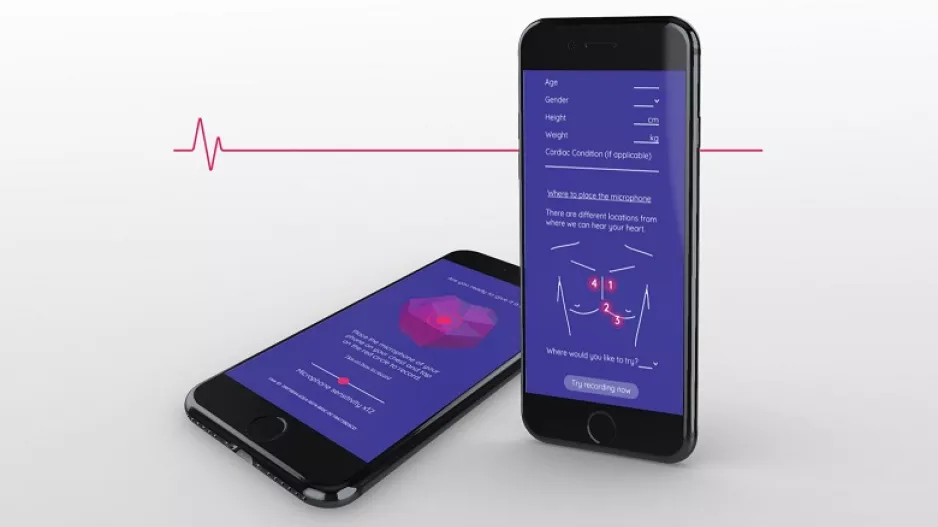
A new smartphone application can help patients successfully record their own heart and send those recordings to physicians, according to new research published in European Heart Journal – Digital Health.[1]
The application,…
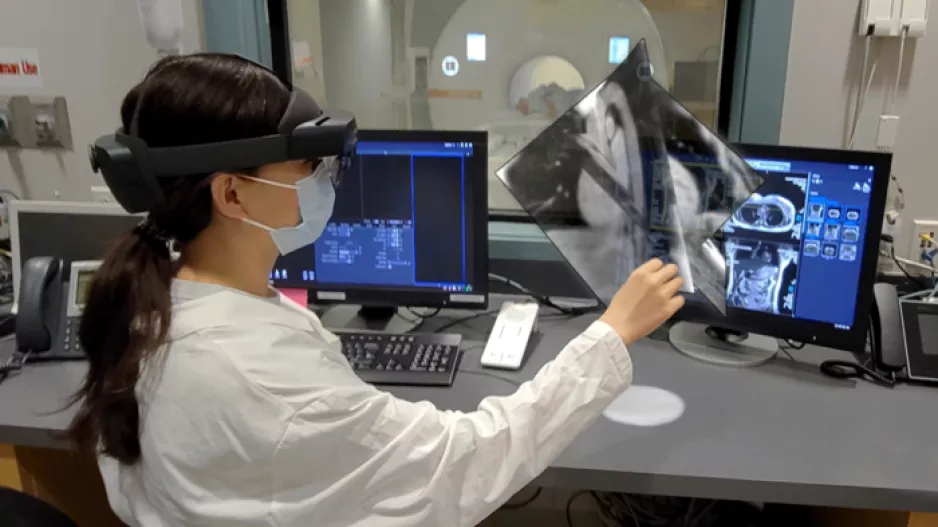
Researchers from Case Western Reserve University have received a four-year, $3.7 million grant from the National Institutes of Health (NIH) to try and make a bit of history.…

Nirmatrelvir-ritonavir (NMVr), sold by Pfizer under the name Paxlovid, is commonly prescribed to treat symptomatic COVID-19 patients, including patients who present with…

Marijuana, methamphetamine, cocaine and opiates are all associated with an increased risk of developing atrial fibrillation (AFib), according to new findings published in European Heart Journal.[1]
“Though alcohol and tobacco…

Apixaban may be a more effective treatment option than rivaroxaban for patients presenting with atrial fibrillation (AFib) and valvular heart disease (VHD), according to a new analysis published in Annals of Internal Medicine.[1]
…
Medtronic announced on Monday, Oct. 17, that one of its cardiac leads has been approved by the U.S. Food and Drug Administration (FDA) for conduction system pacing.
The company’s…

Metformin, a medication commonly prescribed for treating type 2 diabetes, may also be an effective treatment for atrial fibrillation (AFib), according to new research published in Cell Reports Medicine.[1] Much more research is still…
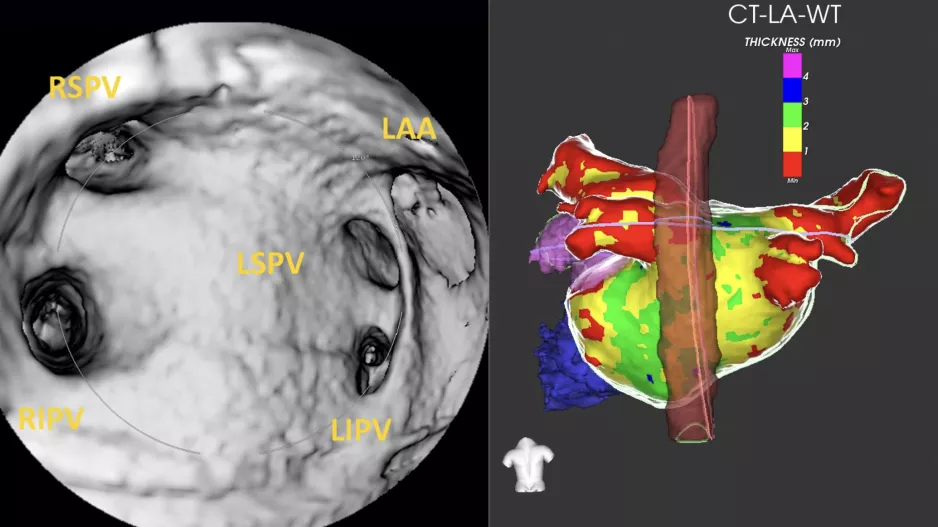

More than 3% of all patients who undergo transcatheter edge-to-edge repair (TEER) go on to develop new-onset atrial fibrillation (AFib), according to new research published in the American Journal of Cardiology.[1] The study’s authors…
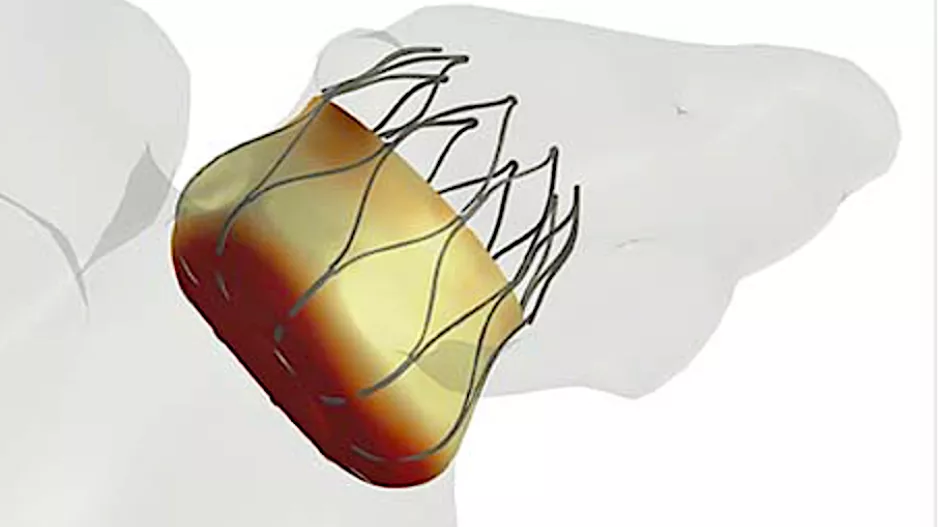

Northwestern University and Johns Hopkins University have received a grant worth approximately $37 million from the National Heart…


Using artificial intelligence (AI) to screen patients for atrial fibrillation (AFib) can detect new cases that may have otherwise been missed, according to new…