
More Articles
Many recovered COVID-19 patients still show signs of right ventricular dysfunction and diastolic dysfunction three months after hospitalization, according to a new study published in the Journal of the American Heart Association.…

Patients who receive a secondary prevention implantable cardioverter defibrillator (ICD) may be able to start driving again a little earlier than previously believed, according to a new study published in Circulation.
The…

Sudden cardiac death (SCD) cases are very rarely associated with having sex among younger individuals, according to a new analysis published in JAMA Cardiology.
The study’s authors examined data from nearly 7,000 SCD cases…

Royal Philips has announced its plans to collaborate with the American Heart Association (AHA) to boost awareness about cardiovascular implantable electronic device (CIED) infections.
A majority of…

Abbott has received FDA clearance for its new cardiac mapping solution fort the electrophysiology (EP) lab that provides users with 3D representations of the patient’s entire…

Apixaban is associated with lower rates of major and gastrointestinal bleeding than rivaroxaban in patients with nonvalvular atrial fibrillation (NVAF), according to a new meta-analysis published in the American Journal of Cardiology…

Direct oral anticoagulants (DOACs) aren’t prescribed to frail atrial fibrillation (AFib) patients as much as they should be, according to a new study published in the Canadian Journal of Cardiology.
In the analysis, researchers…

Treatment with metoprolol may benefit patients with obstructive hypertrophic cardiomyopathy (HCM), according to a new study published in the Journal of the American College of Cardiology.
According to the authors, their study was…

Implantable cardioverter-defibrillators (ICDs) are underused among female and non-white hypertrophic cardiomyopathy (HCM) patients, according to new research published in Mayo Clinic Proceedings.
The study’s authors examined data…

Risk scores designed to predict atrial fibrillation (AFib) after catheter ablation are largely ineffective, according to new data published in Circulation: Arrhythmia and…

Older adults with a high resting heart rate may face an increased risk of dementia, according to new findings published in Alzheimer’s & Dementia.
The study included data from more than 2,100 participants who were 60 years…

Patients with cardiac amyloidosis presenting with heart failure and new-onset atrial fibrillation (AFib) may benefit from direct oral anticoagulants (DOACs) more than vitamin K antagonists (VKAs), according to new data published in the …

Older age is a key predictor for major atrial fibrillation (AFib) endpoints among patients with hypertrophic cardiomyopathy (HCM), according to new data published in JACC: Clinical Electrophysiology.
AFib, including atrial…

The world of EP keeps getting busier and busier. Greater visibility, more referrals to electrophysiology for rhythm issues — namely atrial fibrillation (AFib)—and a surge in…

Even several months after a COVID-19 infection, many women still experience COVID-related heart rate irregularities after participating in physical activities. According to a new analysis in Experimental Physiology, targeted…

Patients with atrial fibrillation (AFib) who switch from warfarin to direct oral anticoagulants (DOAC) are often able to successfully make that transition, according to new data published in the Journal of the American Heart Association.…

Black Veterans Administration (VA) and Medicare patients with atrial fibrillation (AFib) are less likely to initiate any type of anticoagulant therapy, according to new data published in Circulation: Cardiovascular Quality and Outcomes.…

Women face an elevated risk of developing atrial fibrillation (AFib) in the first year after being diagnosed with breast cancer, according to new findings published in European Heart Journal.
Researchers examined SEER data from…

Leadless pacemakers may put patients at an elevated risk of major complications, including death, due to cardiac perforation, according to a new letter published by the FDA. All pacemakers are associated with a risk of cardiac perforation, the…
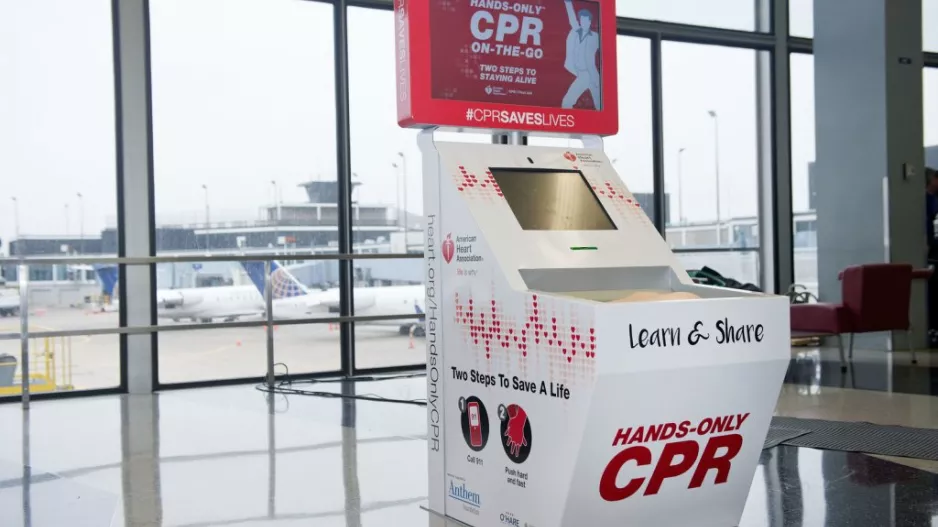
Volunteer responders directed to automated external defibrillators (AEDs), dispatched via text message, were linked with decreased time to first defibrillation, improved bystander cardiopulmonary resuscitation (CPR), and better overall survival…

The use of methamphetamines, cocaine, opiates or marijuana is associated with an elevated risk of new-onset atrial fibrillation (AFib), according to new research out of the University of California, San Francisco (UCSF).
A separate…