
More Articles

Patients who have type 1 or type 2 diabetes and atrial fibrillation (AFib) are less likely to notice symptoms related to an irregular heartbeat, according to new data published in the Journal of the American Heart Association.
A…

Researchers have confirmed that combined genetic testing for cardiomyopathies and arrhythmias can provide significant value, a finding they plan to present Nov. 13 at the American Heart Association (AHA) …

Patients treated with epinephrine in the early stages of cardiac arrest may have a better chance of recovery, according to new data presented at the American Heart Association’s Resuscitation Science Symposium (ReSS) 2021.
The analysis…

Some immune checkpoint inhibitors (ICIs) may cause serious cardiotoxicities, including myocarditis, according to new data published in Circulation.
The study's authored noted that has been difficult to define the clinical…
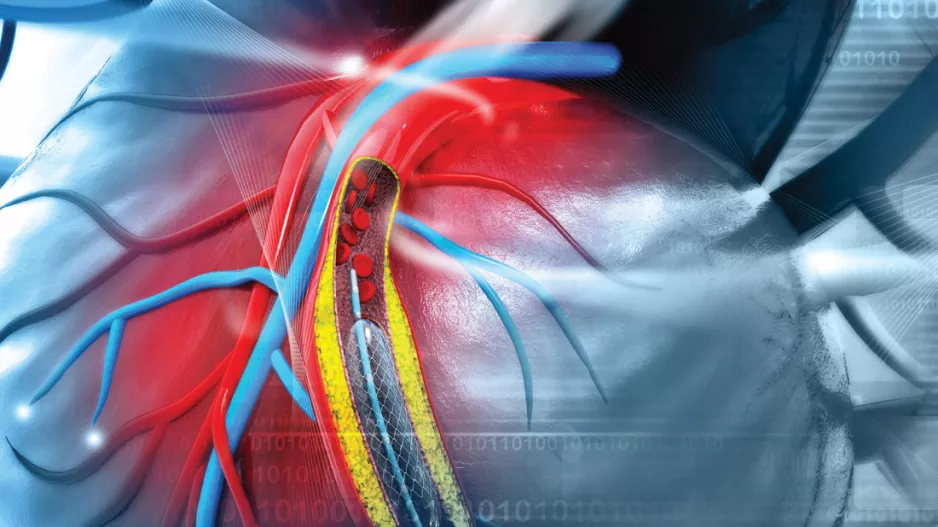
Implantable loop recorders (ILR) used to track cardiac arrhythmias may be susceptible to false positive alerts, according to new data published in Circulation:…

Direct oral anticoagulants (DOACs) are safer than vitamin K antagonists (VKAs) for the prevention of stroke in patients with AFib, according to new data published in The American Journal of Cardiology.
In the analysis,…

Stimulants may be associated with an elevated short-term risk of cardiovascular (CV) problems such as ventricular arrhythmia and stroke in older patients, according to new data published in JAMA Pharmacy and Clinical Pharmacology. The…

Regularly taking Omega-3 fatty acid supplements — fish oil supplements, for example — have been linked to certain cardiovascular benefits. However, according to a new meta-analysis published in Circulation, they also…

One in ten patients with nonvalvular atrial fibrillation (NVAF) prescribed direct oral anticoagulants (DOACs) failed to take their first prescription, according to a new study published in the Journal of Managed Care + Specialty Pharmacy…
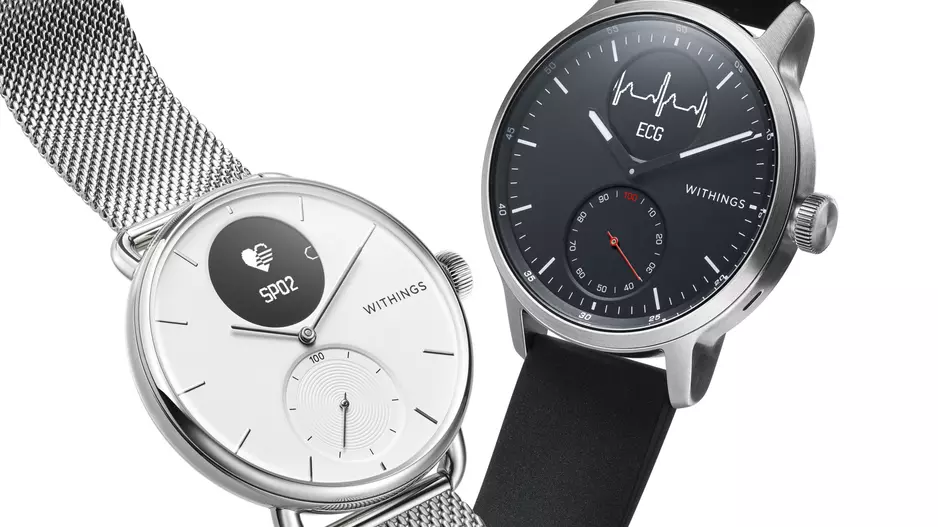
Withings, an international healthcare technology company, has received FDA clearance for ScanWatch, its wearable solution that can track a person's heart rate, identify signs of atrial fibrillation (AFib) and more.
ScanWatch…

Advanced age, hypertension, a high body mass index and the absence of diabetes are all associated with a greater chance of developing atrial fibrillation (AFib) after an embolic stroke of undetermined source (ESUS), according to new data…
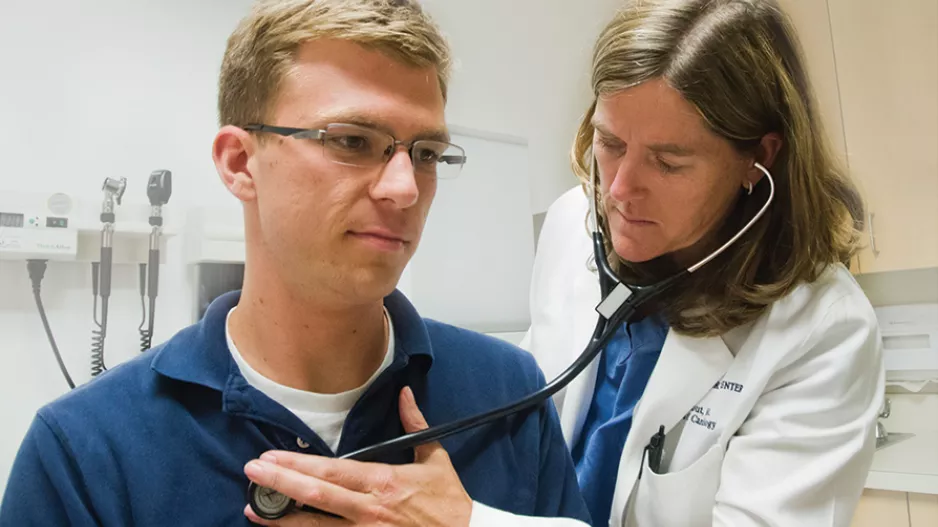
Circadian rhythms in heart cells can affect heart function throughout the day, possibly explaining why shift workers are so susceptible to cardiac issues, according to new data published in Nature Communications.
“The ways in…

Continuous heart rhythm monitoring can identify when patients face a higher risk of atrial fibrillation (AFib) or ischemic stroke, according to a new analysis published in JAMA Cardiology.
The authors examined data from more…

Chronic obstructive pulmonary disease (COPD) is common among atrial fibrillation (AFib) patients and associated with worse clinical outcomes, according to new data published in the European Heart Journal.
"Despite the…

Cardialen, a Minnesota-based healthcare technology company, has received a $3 million grant from the National Institutes of Health to continue developing a new low-energy therapy for atrial fibrillation (AFib).
A panel of cardiologists,…

Medtronic and Mpirik are collaborating on a new pilot program focused on improving care for patients at risk of sudden cardiac arrest (SCA).
The two companies hope to address disparities in care for SCA by making therapies such as…

A healthy sleep pattern can help someone lower their risk of atrial fibrillation (AFib) and bradyarrhythmia, according to new data published in the Journal of the American College of Cardiology.
While previous…

Researchers have developed a new risk score capable of identifying when atrial fibrillation (AFib) patients who visit the emergency department (ED) are at an elevated risk of new-onset heart failure (HF), sharing their findings in…

Delayed peridevice leak (PDL) is present in more than 10% of patients who undergo left atrial appendage closure (LAAC) with Boston Scientific’s Watchman devices (WD), according to new findings published in JACC: Clinical Electrophysiology…

Patients with atrial fibrillation (AFib) who take direct oral anticoagulants (DOAC) and warfarin are at a similar risk of developing dementia, according to new data published in Stroke.
Using the Korean nationwide claims database…

People living with human immunodeficiency virus (HIV) face an elevated risk of sudden cardiac death, according to new data published in the Journal of the American Heart Association.
“People living with HIV are already…