
More Articles

Patients who develop severe cases of COVID-19 face a higher six-month risk of developing a life-threatening heart rhythm disorder, according to new research presented…

Damar Hamlin, the Buffalo Bills safety who went into sudden cardiac arrest on the field back in January…
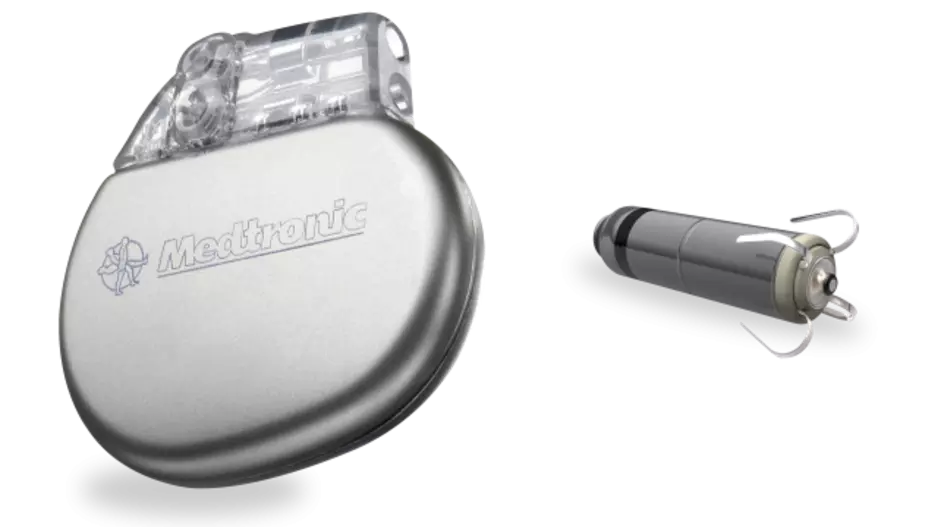
Leadless pacemakers may be a safe and effective short-term treatment option for pediatric patients presenting with bradycardia, according to new research published in Circulation: Arrhythmia and Electrophysiology.[1] Additional research…

About one-third of patients with a pacemaker or implantable cardioverter defibrillator (ICD) experience cancellations and delays when seeking …

The American College of Cardiology (ACC) and American Heart Association (AHA) have thrown their support behind new bipartisan legislation designed to improve automated…
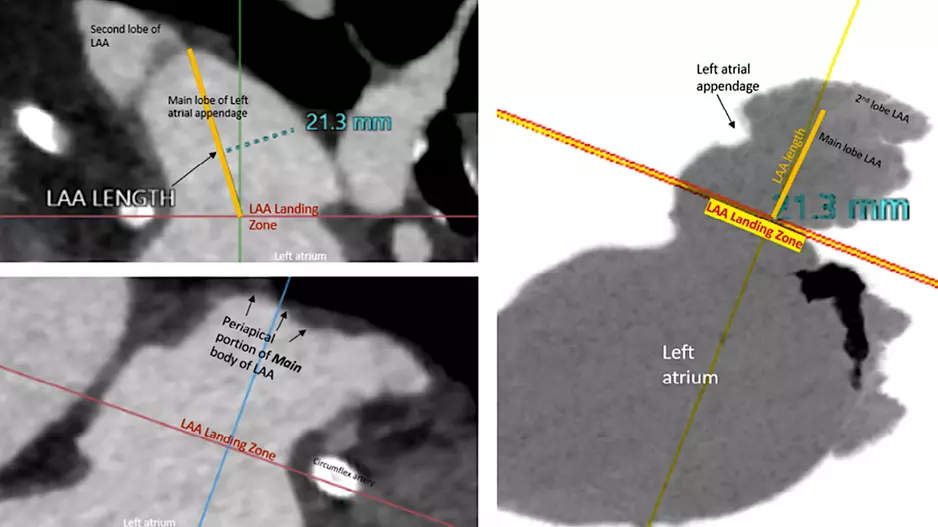
To help standardize transcatheter left atrial appendage closure (LAAC) procedures, an updated expert consensus statement was released by the …
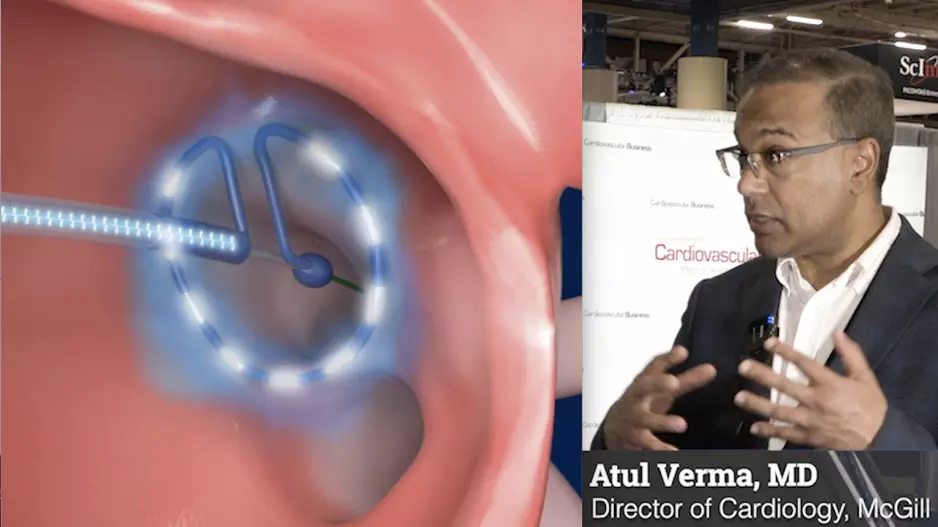

In June 2022, a passenger on an American Airlines flight from Honduras to Miami died after going into cardiac arrest and losing consciousness. The flight’s crew did attempt to use an automatic external defibrillator (AED) to revive the deceased—a…

Why do certain hereditary diseases related to heart rhythm issues seem to affect women more than men? According to an experimental study out of Linköping University in Sweden, estrogen may play a key role. [1…
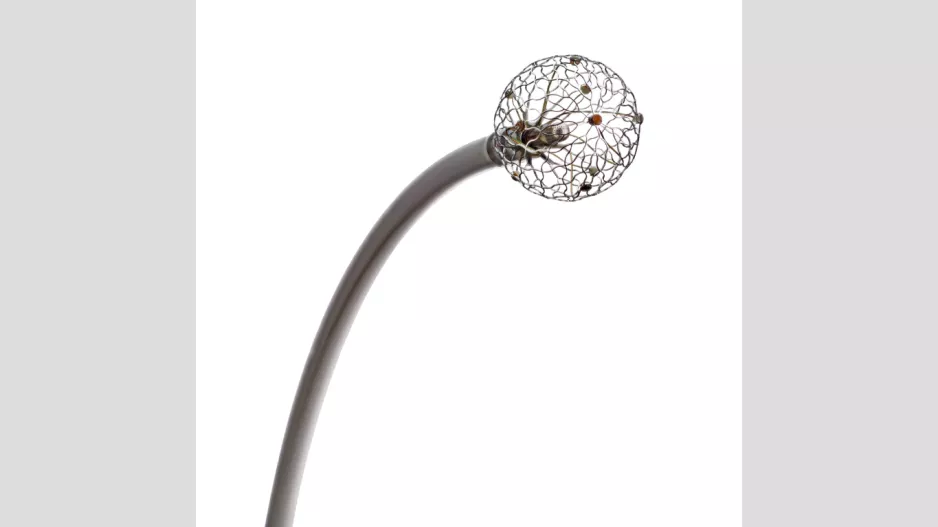
Medtronic has received CE mark approval for its Affera Mapping and Ablation System, which include the company’s Sphere-9 Catheter and its Affera Prism-1 Mapping Software.
The Affera Mapping and Ablation System was developed to treat…

Pulsed-field ablation (PFA) is not associated with bronchial damage when used to treat paroxysmal atrial fibrillation (AFib), according to new findings published in Circulation: Arrhythmia and Electrophysiology.[1]
The study’s…

B. Hadley Wilson, MD, an interventional cardiologist with decades of experience leading cath labs and providing care to low- and middle-income countries, is the newest…

The American College of Cardiology’s annual meeting, ACC.23 Together with the World Congress of Cardiology, concluded just as it started: with a healthy serving…
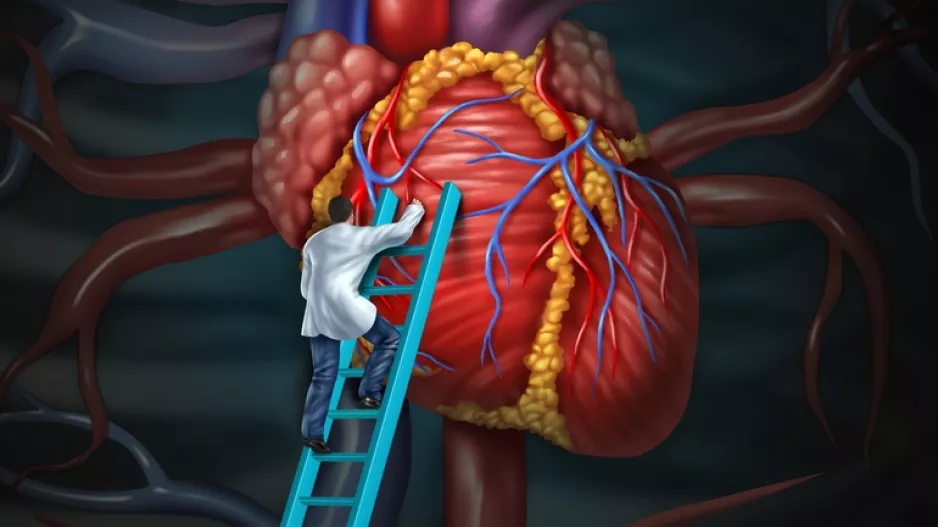
Patients with a low body mass index (BMI) face a heightened risk of cardiac tamponade during catheter ablation for atrial fibrillation (AFib), according to new findings published in JACC: Clinical Electrophysiology.[1]
“Obesity…
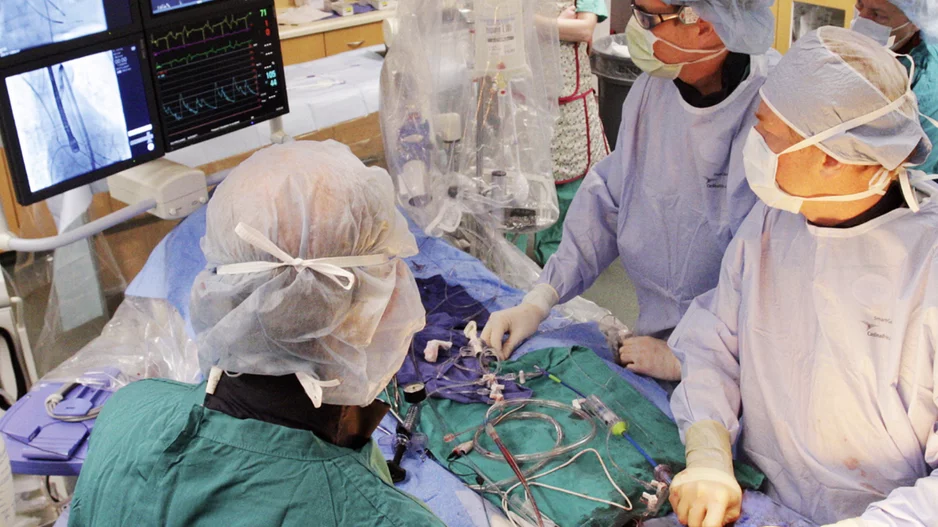
Transcatheter aortic valve replacement (TAVR) is picking up more and more momentum with each passing year, but there are still certain times when…

Researchers out of Rutgers University in New Jersey have used artificial intelligence (AI) to anticipate when…

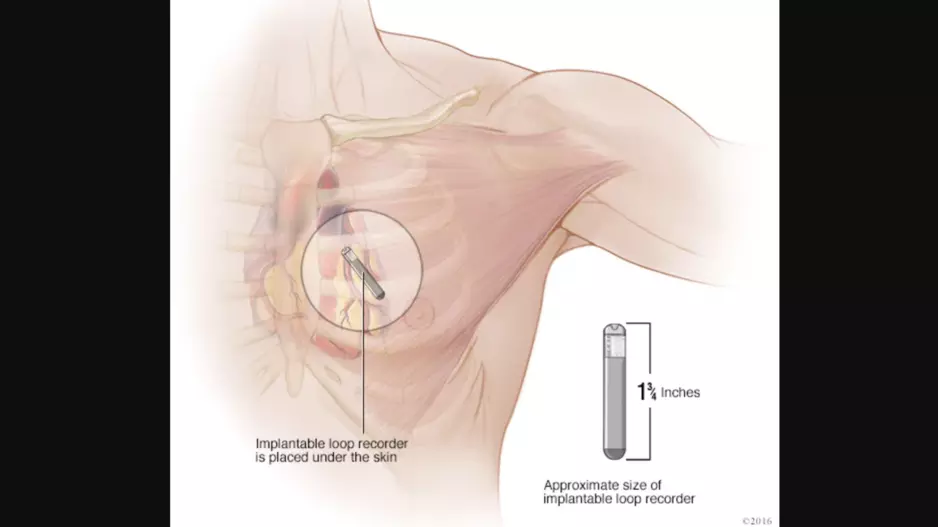
The increased use of implantable loop recorders (ILRs) is associated with identifying more bradyarrhythmias such as bradycardia, according to new findings published in JAMA Cardiology.[1] However, researchers noted, this largely led to…
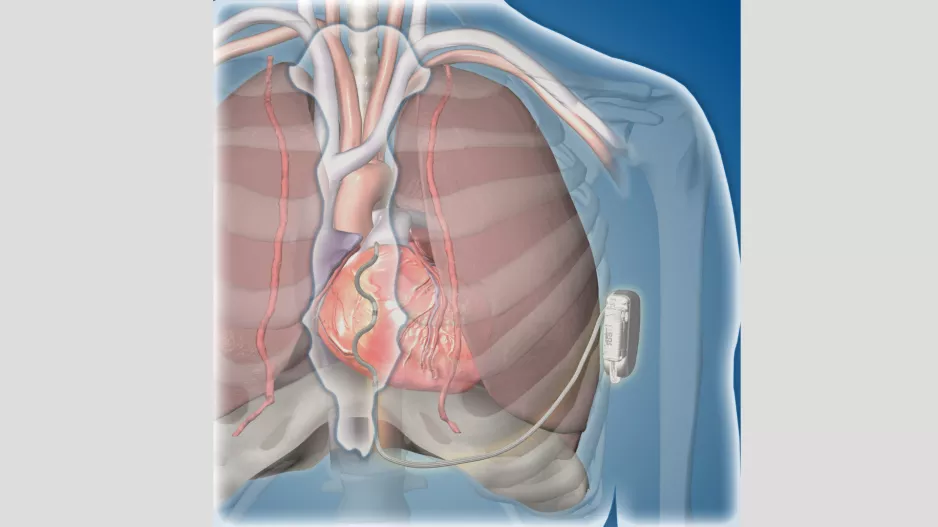
Medtronic has gained European CE mark approval for its Aurora EV-ICD MRI SureScan and Epsila EV MRI SureScan defibrillation lead, which are designed to help treat severe heart rhythm issues.
The Aurora EV-ICD system is unlike most other…

Leading researchers, physicians and other specialists from all over the world gathered in Dallas on Feb. 8-10 for International Stroke Conference (ISC) 2023…

The U.S. Food and Drug Administration (FDA) is urging consumers not to take Alfia Weight Loss Capsules due to a “hidden drug ingredient” that could present significant health risks for certain cardiac patients…