Vascular & Endovascular

This channel includes news on non-coronary vascular disease and therapies. These include peripheral artery disease (PAD), abdominal and thoracic aortic aneurysm (AAA and TAA), aortic dissection, pulmonary embolism (PE), critical limb ischemia (CLI), carotid artery and stroke interventions, venous interventions, deep vein thrombosis (DVT), and interventional radiology therapies. The focus on most of these therapies is minimally invasive, catheter-based procedures performed in a cath lab.


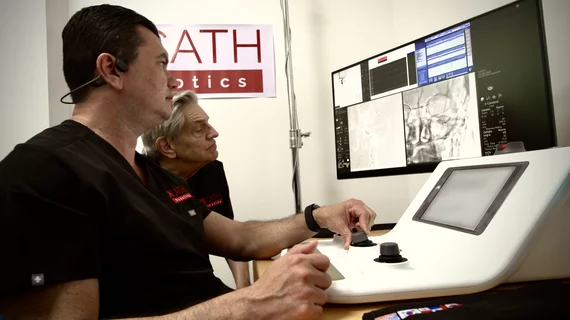
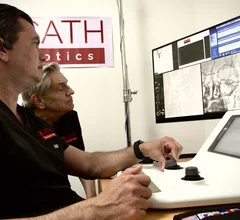
XCath Robotics, a Houston-based medical robotics company, announced the successful completion of the world’s first telerobotic stroke operation of its kind. Neurosurgeon Vitor Mendes Pereira, MD, chair of advanced neurovascular interventions at the University of Toronto, used the XCath Iris Surgical Robotic System to perform the historic procedure.

World’s first telerobotic neurosurgery performed on stroke patient 120 miles away

Neurosurgeon Vitor Mendes Pereira, MD, was in Santiago, Panama, but his patient was in Panama City. "It is the highlight of my career to be involved in this historic achievement," Pereira said.

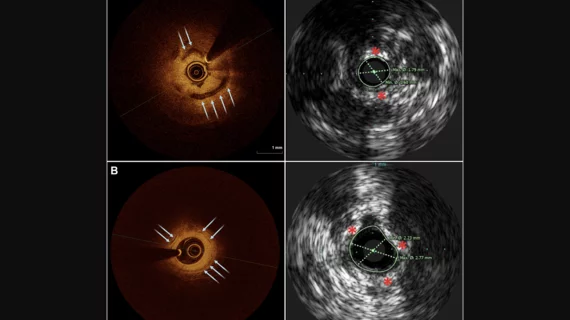
intrasaccular flow disruptor coronary aneurysm

Cardiologists use endovascular device for brain aneurysms to treat high-risk heart patients

A multidisciplinary research team has found a new use for a reliable medical device. Multiple heart patients have already benefited for the group’s outside-the-box thinking.

heart doctors and surgeons working together. top cardiology hospitals in the United States.

Cardiologists lead push for new cath lab radiation safety standards

Several U.S. medical societies have collaborated on a new report advocating for better safety standards in cardiac catheterization labs. As one cardiologist described it, clinicians have shifted from "accepting risk" to "expecting better."

acute kidney injury after TAVR

Acute kidney injury after TAVR: Key risk factors every cardiologist should know

Multiple studies have linked acute kidney injury after TAVR to a heightened risk of short- and long-term mortality. 

Amir Lerman, MD, a veteran cardiologist with Mayo Clinic, died unexpectedly on Feb. 23. He was 69 years old.

Pioneer cardiologist Amir Lerman remembered as a ‘true giant’ of the specialty

Lerman, who spent nearly 40 years with Mayo Clinic, was especially influential in the treatment of nonobstructive CAD. 

Heart failure hospitalizations after PCI: a warning sign of ‘exceptionally high risk’

Nonfatal adverse events after PCI are associated with an increased risk of two-year mortality. That risk is especially high, it seems, when patients are hospitalized for heart failure symptoms such as shortness of breath and edema. 

Several interventional cardiology late-breaking studies were presented at the Cardiovascular Research Technologies (CRT) 2026 meeting March 7-10, and experts from the Society of Society highlighted what they felt was most impactful to clinical practice. Photo by Dave Fornell.

CRT 2026: Key takeaways for interventional cardiologists

CRT studies shed new light on many topics, including long-term TAVR outcomes, radiation protection and advanced interventional techniques.

Department of Justice DOJ

Cardiology practice, cardiologists pay $4.75M to resolve DOJ fraud allegations

The physicians allegedly performed medically unnecessary ablation procedures as part of a years-long fraud scheme.