Home

Cardiology Associations

This page includes news coverage of cardiology societies and associations. Follow these links for specific cardiology society news pages: American College of Cardiology (ACC), American Heart Association (AHA), American Society of Echocardiography (ASE),  American Society Nuclear Cardiology (ASNC), European Society of Cardiology (ESC), Heart Rhythm Society (HRS), Society for Cardiovascular Angiography Interventions (SCAI), Society of Cardiovascular Computed Tomography (SCCT), Transcatheter Cardiovascular Therapeutics (TCT), and Vascular Interventional Advances (VIVA). 

RSS icon

  • Performing transcatheter aortic valve replacement (TAVR) with the J-Valve transcatheter heart valve (THV) may help limit the risk of coronary artery obstruction (CAO) in high-risk patients, according to a new study published in Clinical Interventions in Aging.[1]

    TAVR with Edwards Lifesciences valve for severe AR linked to ‘encouraging’ data

    All patients presented with severe aortic regurgitation. The study's findings were presented at New York Valves 2026 and published in JSCAI.

  • Thumbnail

    Chest pain drug lowers risk of kidney injury after PCI

    Treating certain high-risk PCI patients with nicorandil before and after treatment can significantly reduce their risk of contrast-related injuries.

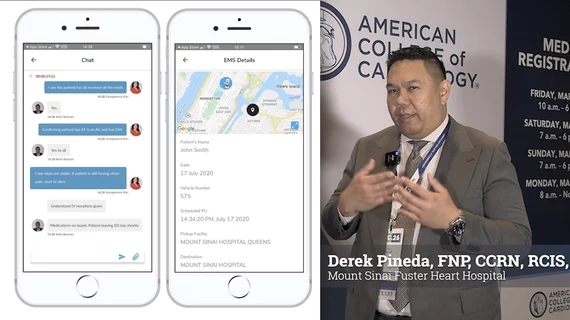
  •  Derek Pineda, FNP, CCRN, RCIS, FACC, with Mount Sinai Fuster Heart Hospital, explains the use of a digital app platform for STEMI team coordination that helped his health system improve STEMI outcomes.

    New digital platform gets clinicians on the same page when treating heart attacks

    One of the platform's biggest benefits is the rich clinical information it provides to all members of the care team.

  • heart doctor cardiologist

    Sex-specific outcomes after TAVR and SAVR: Key takeaways from a new meta-analysis

    TAVR was associated with early benefits for women. After five years, however, outcomes were comparable across the board.

  • Hundreds of cardiologists incorrectly added to new mandatory payment model

    When CMS shared a list of cardiologists being targeted with a brand new payment model, the American College of Cardiology identified a long list of apparent mistakes.

More than 5,600 cardiac ultrasound measurements are now automated using artificial intelligence in the new Siemens Acuson Origin echocardiography system. It is the first echo system to use AI to help automate and anticipate next actions to greatly speed workfor and increase reproducibility between sonographers. Photo by Dave Fornell at ESC 2023

Cardiovascular ultrasound innovations being showcased at ASE 2024 meeting

New cardiac ultrasound advances, from AI to completely study workflow, new 3D/4D catheters, virtual reality simulators, to robot-assisted ultrasound, will be presented on the expo floor of ASE 2024 this weekend in Portland.

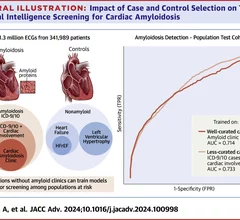
The central illustration from a study that shows the impact of ECG AI algorithm study case and control selection to train artificial intelligence to better screening patients for cardiac amyloidosis. Image courtesy of JACC Advances.

Using ECG AI to find the cardiac amyloidosis needles in the haystack

Early detection of cardiac amyloidosis is leads to the best outcomes, but it is often missed until later stages. AI is being developed to help detect these patients earlier using ECG and echo.

There has been a growing shortage of cardiologists the past several years, but this has accelerated due to burnout from the pandemic, falling reimbursements and increasing administrative burdens. This prompted a joint session on this topic with the ACC and the Heart Rhythm Society at HRS 2024, with ACC President Cathie Biga, MSN, FACC, president and CEO of Cardiovascular Management of Illinois, former ACC president Ed Fry, MD, chair of the Ascension National Cardiovascular Service Line, and EP Parin Patel.

Addressing staffing shortages in cardiology

ACC President Cathie Biga, MSN, RN, Edward Fry, MD, and electrophysiologist Parin Patel, MD, discuss the growing cardiologist shortage.

Thumbnail

Even moderate alcohol use increases risk of high blood pressure, new meta-analysis confirms

Researchers explored data from 23 different studies, identifying a “positive and almost linear association” between alcohol consumption and hypertension. 

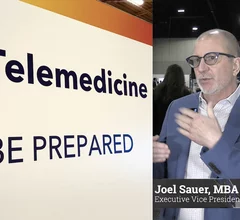
Joel Sauer, MBA, MedAxoim, explains why there is a big business trend in cardiology toward remote monitoring and telehealth to cut costs. #ACC #MedAxiom #Telecardiology #remotemonitoring #ACC2024

Telemedicine, remote monitoring help reduce healthcare costs

As profit margins in healthcare continue to shrink, telemedicine and remote monitoring are seeing a large increase to help cut costs while still delivering care outside of the hospital.

physician tracking patient data and reporting on outcomes

Q&A: Cardiologist Karen Joynt Maddox on why new healthcare policies are not improving outcomes

Healthcare's ongoing shift toward value-based care is a good thing, Joynt Maddox explained, but its implementation has been far from ideal. She also discussed population health, the pandemic, health disparities and the rising influence of private equity investments.

How cardiologists and hospitals get paid via RVUs and DRGs There has been an increasing number of "business of cardiology" sessions are several cardiology conferences over the past two year as reimbursements continue to decline and costs continue to increase. Chief among the topics discussed has been how to navigate the intricacies of how cardiologists and hospitals are reimbursed. One of these speakers was Joel Sauer, MBA, executive vice president of consulting, MedAxiom, who spoke at the American Colle

How cardiologists and hospitals get paid

Joel Sauer, MBA, executive vice president of consulting with MedAxiom, reviews the intricacies of how cardiologists and hospitals are reimbursed.

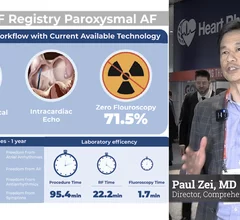
Paul Zei, MD, director of the comprehensive atrial fibrillation program at Brigham and Women’s Hospital, explained key findings from the late-breaking REAL-AF Registry at the Heart Rhythm Society (HRS) 2024 conference. This registry study evaluated the short- and long-term outcomes of radiofrequency ablation (RF) in treating both paroxysmal atrial fibrillation (PAF) and persistent atrial fibrillation (PsAF), revealing significant advancements in procedural techniques and patient safety. #EPeeps #HRS2024

Interest growing in fluoroscopy-free workflows during RF ablation

Paul Zei, MD, discusses late-breaking data from the REAL-AF Registry, which looked at the short- and long-term outcomes of radiofrequency ablation in paroxysmal and persistent atrial fibrillation.

Pagination

    • First page « First
    • Previous page ‹ Previous
    • Page …84
    • Page 85
    • Page 86
    • Page 87
    • Current page 88
    • Page 89
    • Page 90
    • Page 91
    • Page 92 …
    • Next page Next ›
    • Last page Last »
Displaying 697 - 704 of 1560
  • Home
  • News
  • Article Archive
  • Custom Content
  • Webinars
  • Press Releases
  • Content Studio
  • Advertising
  • Submit Press Release
  • Contact Us
  • Terms of Use
  • Privacy Policy
  • Cardiovascular Business
  • HealthExec
  • Radiology Business
 
© 2026 Innovate Healthcare | All Rights Reserved. | Terms of Use | Privacy Policy
 
Design by Adaptive Theme