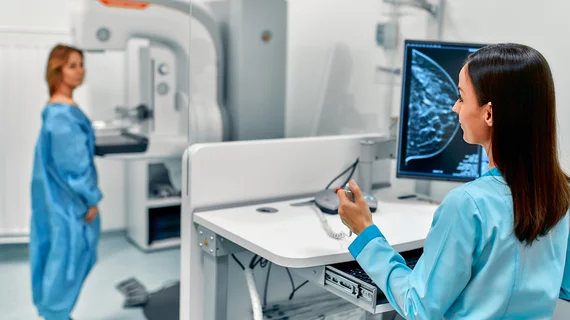
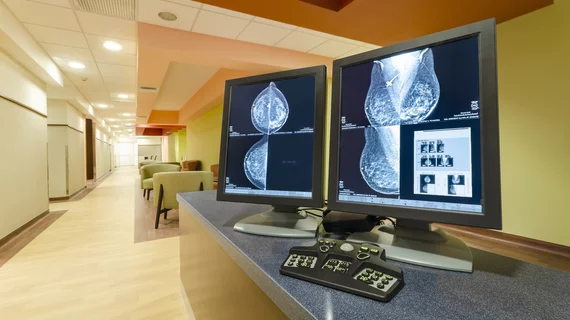
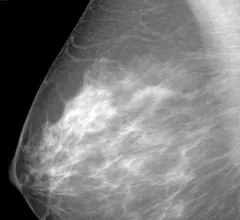
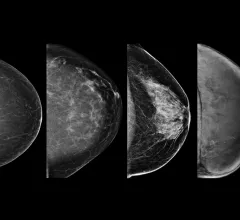
Women’s imaging encompasses many radiology procedures related to women and the diseases that are most prevalent to women such as breast cancer or gynecological issues. Mammogram, breast ultrasound, breast MRI and breast biopsy are the most commonly used procedures.

Published Friday in JAMA, scientists recently explored a risk-based mammography tactic that tailors regular imaging regimens to each individual’s danger of developing the disease.
In some cases, it may actually be more beneficial for this group of women to forego the extra scans, as they can lead to additional testing, costs and potentially delays in care.
Between 20% to 24% of all breast cancers diagnosed during a decade-long period were found in women between the ages of 18 to 49, according to research presented at RSNA 2025.
During an education session at RSNA 2025, several experts who contributed to the manual spoke on what has changed and how these revisions will affect providers.
Experts, medical organizations and advocates alike are coming forward saying that the new guidelines “do not go far enough,” particularly when it comes to addressing the screening needs of certain patients.
The case dates to March 2020, when the University of South Florida Foundation filed suit against the Marlborough, Massachusetts-based company, which later countersued.