Neuroimaging

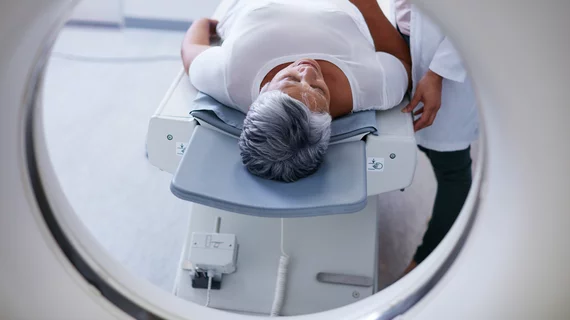
Neuroradiology is a branch of medical imaging focused on spotting abnormalities of the central and peripheral nervous system, spine, head and neck. These highly trained doctors use CT, MRI, X-ray and other techniques to diagnose strokes, tumors, aneurysms and other neurological conditions.

Thumbnail

Why wait? MRI reveals why some people tend to procrastinate

Using MRI technology, researchers found that individuals who have a weaker connection between two regions of the brain are more likely to procrastinate, according to an article published Aug. 23 by Newsweek.

Thumbnail

Radiation impedes children’s ability to recall memories

Researchers from Baylor University in Waco, Texas, found that pediatric patients with brain tumors who undergo radiation treatment are less likely to remember detailed events they’ve experienced after treatment, according to research published online Aug. 20 in Neuroscience.

$32M BOOST-3 trial aims to improve severe TBI outcomes

A new clinical trial—brain xxygen optimization in severe traumatic brain injury, Phase 3 (BOOST-3)—will build off prior research with a goal of improving outcomes in those victims of severe TBI, according to a University of Michigan release.

Thumbnail

MRI brain mapping turned “functional fingerprint” may identify individuals over a lifetime

Researchers studying MRI images of the functional connections in the brain have found that an individual's “functional fingerprint” may be used to distinguish individuals over the course of their lifetime, according to an article published Aug. 16 by Quanta Magazine.

Thumbnail

fMRI reveals sleep deprivation can trigger loneliness, social rejection

“The less sleep you get, the less you want to socially interact. In turn, other people perceive you as more socially repulsive, further increasing the grave social-isolation impact of sleep loss,” said Matthew Walker, PhD, a professor of psychology and neuroscience at UC, Berkeley.

Thumbnail

MRI reveals brain tumors are 3 times more likely to appear in children with neurofibromatosis

Brain MRIs of children diagnosed with the common genetic syndrome neurofibromatosis type 1 (NFI) displayed an underestimated frequency of brain tumors according to research published in Neurology, Clinical Practice.  

Thumbnail

fMRI IDs brain regions linked to sleep, depression

With the help of functional MRI (fMRI) technology, researchers have been able to identify certain areas of the brain associated with poor sleep quality and depression, according to a study published July 25 in JAMA Psychiatry.

Focused ultrasound could unblock brain barrier to deliver Alzheimer's drug

Canadian researchers may have found a non-invasive method to safely poke holes in the blood-brain barrier to allow delivery of drugs for neurological conditions such as Alzheimer's disease.