Neuroimaging

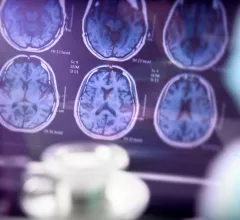
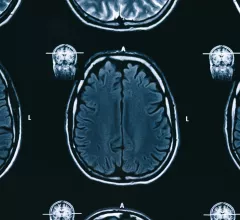
Neuroradiology is a branch of medical imaging focused on spotting abnormalities of the central and peripheral nervous system, spine, head and neck. These highly trained doctors use CT, MRI, X-ray and other techniques to diagnose strokes, tumors, aneurysms and other neurological conditions.


Thumbnail

AI predicts psychosis, depression patient outcomes with 76% accuracy

AI trained with neuroimaging data may be used to successfully predict outcomes for people at risk of psychosis and depression, according to research published online Sept. 26 in JAMA Psychiatry.

Thumbnail

MRI reveals sex differences in brain development of preemies

Using MRI, researchers found that brains of infant boys born prematurely are affected differently and more severely than premature infant girls, according to a study published online in the September issue of Nature Pediatric Research.

Brain fMRI finds people with schizophrenia less reactive to positive social experiences

UCLA researchers have found that the brains of people with schizophrenia are less reactive to social rewards such as positive interactions with others and smiling, according to research published Sept. 5 in Schizophrenia Bulletin.

Thumbnail

'See-through' EEG allows simultaneous neuroimaging and brain activity monitoring

A “see-through” electroencephalogram (EEG) developed by researchers from Boston Children’s Hospital and Northeastern University in Boston may provide future insight into neurological conditions, according to research published online Sept. 5 in Science Advances.

Thumbnail

Brain fMRI shows medical marijuana reduces chronic pain

Researchers using fMRI have found medical marijuana may significantly relieve chronic nerve pain, according to research published online Sept. 5 in Neurology.

Thumbnail

fMRI reveals cannabis extract may help patients with psychosis

Patients with psychosis may benefit from therapeutic effects found to be derived from cannabidiol (CBD), a naturally occurring constituent of cannabis, according to research published Aug. 29 in JAMA Psychiatry.

Thumbnail

MRI shows ibudilast drug may slow brain atrophy in MS patients

Brain MRIs have revealed that the anti-inflammatory drug ibudilast may slow down atrophy in patients with progressive multiple sclerosis (MS), according to research published Aug. 30 in the New England Journal of Medicine.

Thumbnail

Pittsburgh duo receives $3.8M grant to improve suicide prevention with fMRI

The National Institute for Mental Health (NIMH) has granted two Pittsburgh-based researchers a five-year, $3.8 million grant to better identify and treat individuals with suicidal thoughts using functional MRI (fMRI).