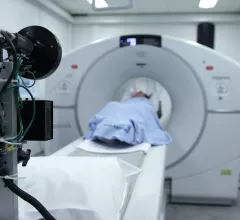
Neuroimaging

Neuroradiology is a branch of medical imaging focused on spotting abnormalities of the central and peripheral nervous system, spine, head and neck. These highly trained doctors use CT, MRI, X-ray and other techniques to diagnose strokes, tumors, aneurysms and other neurological conditions.

Thumbnail

Mobile stroke units improve patient outcomes, reduce risk of disability

Researchers tracked data from more than 1,000 patients who received care from 2014 to 2020. 

Thumbnail

Deep learning diagnoses disabling neurological condition on MRI in under 1 second

The platform—DystoniaNet—was 98.8% accurate at diagnosing the condition, and with further testing, may soon be in clinics, experts explained recently.

Thumbnail

ADHD medication can negatively impact child brain development

A commonly prescribed drug used to treat attention-deficit/hyperactivity disorder (ADHD) disproportionately affects the development of children’s brains compared to adults with ADHD, according to a new study published in Radiology.

Thumbnail

UK researchers publish large Alzheimer’s dataset

A study investigating the differences between healthy brains and those with Alzheimer’s disease (AD) has produced a map of more than 24,000 AD-related datapoints, according to authors of the research published Feb. 4 in Communications Biology. They claim it is one of the largest datasets of its kind.

UC awarded $3.2 million to study stroke recurrence risk

Researchers at the University of Cincinnati (UC) have received a $3.2 million grant from the National Institute of Neurological Diseases (NINDS) to study the use of neuroimaging to pinpoint the risk factors of stroke recurrence.

Thumbnail

NFL hands out $35M in grants for brain injury research

The NFL, on Thursday, Nov. 15, awarded more than $35 million in grants for research focused on the diagnosis and treatment of concussion-related brain injuries, according to the league. The grants are part of its 2016 commitment to enhance player safety.

Non-human primate neuroimaging data may improve understanding of human brain disorders

International researchers from the Child Mind Institute in New York have released non-human primate brain imaging data sets aimed to develop wiring diagrams and improve the understanding of brain disorders in humans.  

Thumbnail

Brain MR-PET reveals widespread inflammation in fibromyalgia patients

Using MR/PET imaging, researchers from Massachusetts General Hospital in Boston and the Karolinska Institute in Sweden have revealed that widespread neuroinflammation correlates with fatigue levels in patients with fibromyalgia, and may enhance the development of treatment, according to research published online Sept. 14 in Brain, Behavior and Immunity.