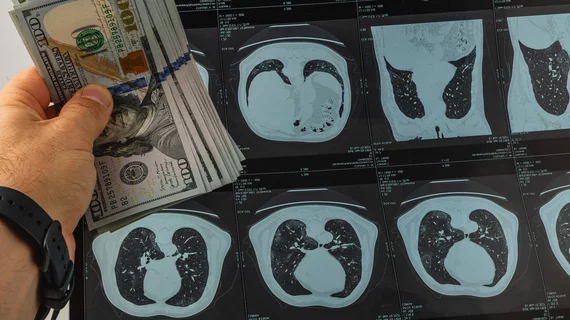
Radiology compensation is more than just radiologist salaries. It also includes radiologic technologist and interventional radiology compensation, along with other subspecialties. Radiology pay incorporates bonuses, incentives, benefits and vacation time.

Financial literacy is no longer optional for physicians. “If you're not financially viable, you can't function,” explained Nirat Beohar, MD. “The business education is probably just as important as learning a new procedure.”
Herbert D. Aronow, MD, reviewed the many ways the reimbursement landscape is changing thanks to new Medicare policies. “This is a really exciting time in the renal denervation space," he said.
SCAI President Srihari Naidu, MD, detailed some of the challenges interventional cardiologists face as reimbursements keep declining. The group has been building new partnerships with other medical societies to strengthen its influence in Washington.
Starting in 2026, patients covered by UnitedHealthcare's Medicare Advantage and commercial plans will not have care reimbursed for instances of remote patient monitoring unless they have diagnosed heart failure or are pregnant and experiencing hypertension. The shift stands at odds with traditional Medicare, which added new claims codes for providers to use next year.
"These findings underscore IR’s accelerating transition toward comprehensive patient care, with significant implications for training, practice management, and the specialty’s role within the broader healthcare landscape," experts write.
UPDATED: Full-time U.S. radiologists take home about $526,000, a figure that includes base salary, incentive bonuses and other income such as profit-sharing contributions.
Radiology experts are warning that reimbursements for certain imaging services are not enough to cover expenses, putting specialists in a precarious position.
The American Association of Physicists in Medicine recently convened a panel of industry experts, devising a list of issues with the new quality metric.