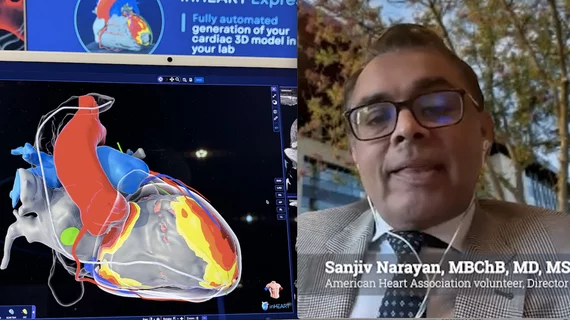
AI-based tools are here to stay, but one expert does not see them replacing cardiologists anytime soon. Look at recent trends in radiology, he says, to get a better idea of what cardiology's future may look like.
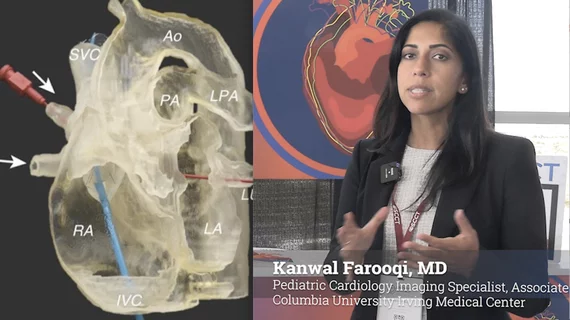
3D models can improve the visualization of challenging cardiac anatomy in addition to supporting clinical decision-making, education and procedural planning.
Mount Sinai Hospital in New York is now using AI-powered virtual agents to call some patients before cath lab procedures. The move was designed to help nurses focus more on patient care and reduce their risk of burnout.
Association of Black Cardiologists President Anthony Fletcher, MD, discusses the group's efforts to educate patients in Louisiana, Arkansas, Georgia and Mississippi.
Sunil Rao, MD, discusses the heart team approach in the context of deciding what is best for the patient between bypass surgery and percutaneous coronary intervention.
Rural hospitals face greater challenges than their metropolitan counterparts in keeping medical equipment operational, because there's rarely a vendor technician around when they need one.
American College of Radiology Chief Executive Officer Dana Smetherman, MD, explains the highlights of the recent BI-RADS Version 2025 release, the first update in more than a decade.
Sunil Rao, MD, told Cardiovascular Business that same-day discharge is still relatively rare for these patients, but it appears to be growing more common over time. The COVID-19 pandemic appears to have played a key role in the development of this trend.