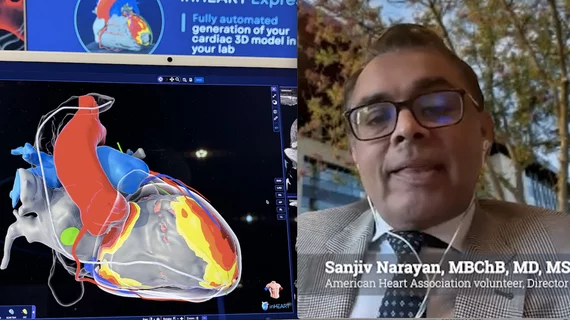
AI-based tools are here to stay, but one expert does not see them replacing cardiologists anytime soon. Look at recent trends in radiology, he says, to get a better idea of what cardiology's future may look like.
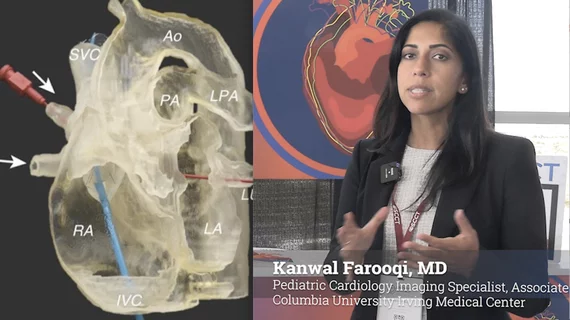
3D models can improve the visualization of challenging cardiac anatomy in addition to supporting clinical decision-making, education and procedural planning.
ASE President David Wiener detailed some of the many ways imaging societies need to adapt now that so many imagers are specializing in multiple modalities. It may be time to change how annual conferences are scheduled, for example, so that the costs of travel are easier to manage.
As of January 2026, there will only be two CPT category 1 payment codes for newer AI, despite there being hundreds of FDA-cleared medical imaging algorithms.
Herbert D. Aronow, MD, reviewed the many ways the reimbursement landscape is changing thanks to new Medicare policies. “This is a really exciting time in the renal denervation space," he said.
A variety of CPT code changes take effect in 2026, and many of them will make a direct impact on interventional cardiology. Arnold Seto, MD, spoke to Cardiovascular Business about these updates for a new video interview.
A growing number of private insurers are now covering these advanced technologies. Roosha Parikh, MD, told Cardiovascular Business that the hard work of SCCT and other groups has helped make this happen.
Gregg Stone, MD, spoke to Cardiovascular Business about early data from the ATHENS-HF trial. Ten heart failure patients were treated with the adjustable device, and each implant was a success.