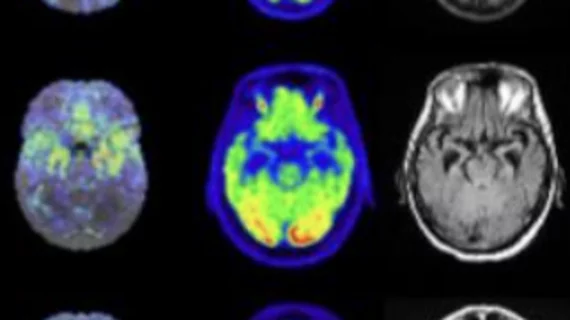
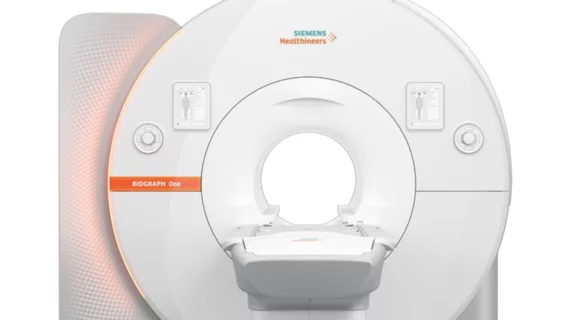
Positron emission tomography/computed tomography is a hybrid nuclear medicine imaging technique that helps radiologists spot abnormal metabolic activity. PET/CT is commonly used to diagnose cancers, heart diseases and certain brain disorders, among other conditions.

Limbic-predominant age-related TDP-43 encephalopathy, also known as LATE, was recently recognized as a type of dementia that occurs in older adults. It typically presents as memory-related cognitive decline.
Amyloid-related imaging abnormality edema is a known side effect of anti-amyloid monoclonal antibody treatments, such as Leqembi and donanemab Kisunla.
The move will make the Huntsman Cancer Institute the first academic medical center in the U.S. to produce Posluma, according to Blue Earth Diagnostics.
The Society of Nuclear Medicine and Molecular Imaging (SNMMI) and the American Society of Nuclear Cardiology (ASNC) submitted a letter to BlueCross BlueShield (BCBS) of Tennessee urging an expansion of cardiac PET coverage.
PET with 11C-PIB provides a noninvasive method for visualizing amyloid deposits in the heart, according to a study published in the February issue of the Journal of Nuclear Medicine. The researchers suggest that 11C-PIB eventually may be used in the clinical setting as both a diagnostic tool and a treatment follow-up method.