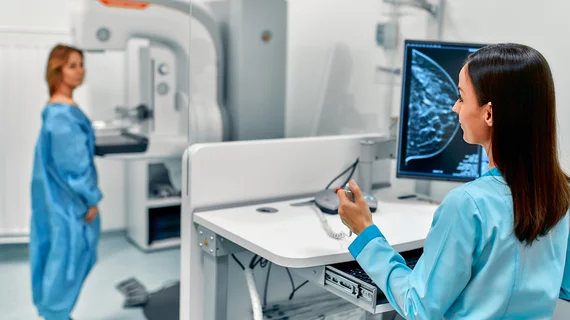
Diagnostic screening programs help catch cancer, abnormalities or other diseases before they reach an advanced stage, saving lives and healthcare costs. Screening programs include, lung, breast, prostate, and cervical cancer, among many others.

Mandates for universal ECG screening are gaining momentum as a way to combat the risk of SCA. However, the ACC warned, modern healthcare systems were not built to withstand such a rise in demand. These mandates will also result in higher costs and other unintended consequences.
Lung cancer remains the leading cause of cancer-related deaths in the United States. It is estimated that it claims approximately 125,000 lives in the U.S. every year.
Children with chronic kidney disease may have an increased risk of cognitive impairment due to major blood flow changes occurring in the brain, according to research published June 12 in Radiology.
Though many single-arm studies using "surrogate markers" have predicted CT screening can reduce lung cancer mortality by 80 percent, randomized clinical trials with larger population cohorts have found such screening has reduced mortality by less than 20 percent.
First lady Melania Trump, 48, benefited from a run-in with interventional radiology Monday morning after undergoing surgery for a benign kidney condition, according to a statement from the White House.
A combination of positive results of flutemetamol F 18–labeled PET data, low hippocampal volume and cognitive status is associated with a higher risk of progression from amnestic mild cognitive impairment (aMCI) to Alzheimer's disease within three years.
Australian researchers found cardiac MRI an accurate method of diagnosing mid-cavity variant Takotsubo cardiomyopathy (TCM)—a rare acute coronary syndrome also known as "broken heart syndrome"—in a case study published in Current Problems in Diagnostic Radiology.
The American College of Radiology recommends CT in most cases when diagnosing acute appendicitis, but many have begun to champion MRI as an alternative.
The first patient to undergo focused ultrasound to limit the major symptoms of Parkinson’s disease has been treated in a randomized, double-blind clinical trial, according to a Focused Ultrasound Foundation release.