Screening

Diagnostic screening programs help catch cancer, abnormalities or other diseases before they reach an advanced stage, saving lives and healthcare costs. Screening programs include, lung, breast, prostate, and cervical cancer, among many others.

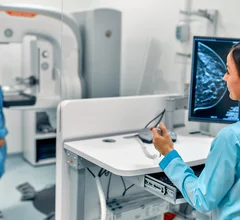
breast cancer screening mammography

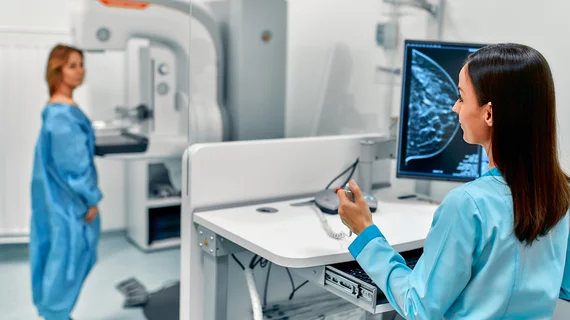
Autonomous AI reduces radiologists' breast cancer screening workload in real-world setting

Deployed in screening mammography, the tool identifies normal, low-risk exams and eliminates the need for double reads. 

lung cancer screening low-dose CT

New real-world evidence supports the use of AI in lung cancer screening

Though the study of AI in lung cancer screening is not new, prior research has been retrospective in nature, making it challenging to determine the impact. 

Breast cancer AI ribbon pink artificial intelligence

Google's mammography AI system slashes interpretation times by one-third

That's according to findings from the largest NHS study on the use of AI in breast cancer screening settings to date. 

SCAI celebrates new federal funding for PAD prevention

The group's hope is that these new funds will help address the rising rates of PAD and CLTI throughout the United States.

cardiologist time out

Universal heart screening for all athletes? Not so fast, cardiologists warn

Mandates for universal ECG screening are gaining momentum as a way to combat the risk of SCA. However, the ACC warned, modern healthcare systems were not built to withstand such a rise in demand. These mandates will also result in higher costs and other unintended consequences.

lung cancer pulmonary nodule chest

AI-powered lung cancer screening support tool nabs FDA clearance

The software was designed to address issues with inter-reader variability common to LDCT screenings. 

Men developed CVD earlier than women, according to 35-year CARDIA study

Promoting preventive care among young adult men during critical periods of their life may be the key to reducing rates of cardiovascular disease. 

AISAP, an Israeli healthcare technology company focused on using artificial intelligence (AI) to enhance medical imaging results, has gained U.S. Food and Drug Administration (FDA) clearance for its new point-of-care ultrasound (POCUS) software platform, AISAP Cardio.

AI model turns POCUS images into accurate structural heart evaluations

Researchers see potential for this technology to make cardiac screening much easier for physicians who are not trained cardiologists.