Compared with postoperative stereotactic radiation therapy, an investigational intraoperative RT approach could significantly reduce local tumor recurrence and improve survival in patients with newly diagnosed operable brain metastases.
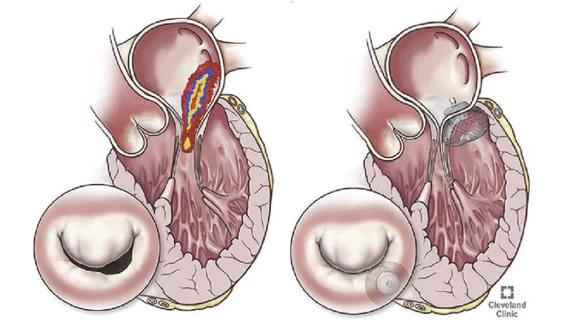
The new device, designed to perform mitral valve repair in patients with functional MR, was co-invented by cardiologist Samir Kapadia, MD, and surgeon Jose Navia, MD.
It's clear that advanced AI algorithms will radically transform care for TAVR patients in the years ahead. For now, however, certain AI models may require too much data to be helpful on a consistent basis.
As a person’s concentration dwindles during resting state or task-based sequences, the resultant brain activity observed on imaging could be misleading.
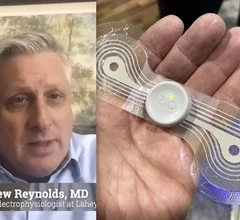
Matthew Reynolds, MD, Lahey Hospital and Medical Center, explains data from the EXCALIBER and CAMELOT studies that show ambulatory cardiac monitoring usage among more than 300,000 patients.
Gene manipulation can revert the cardiomyocytes back to a fetal state, allowing them to regenerate. Researchers are now looking for drugs to mimic the effect.
The publication will include "pictorial essays, case reports and expert commentary for today’s practicing radiologists," the society announced Thursday.