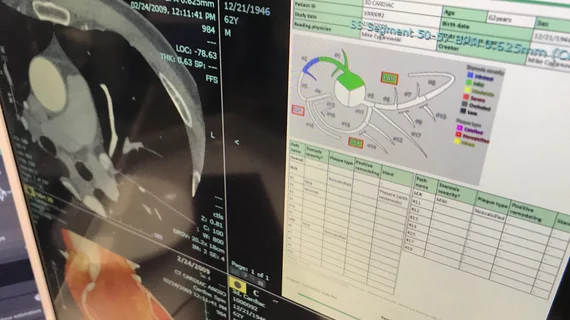
More and more imaging researchers are starting to examine the potential of using fibroblast activation protein inhibitors (FAPI) to manage patients with suspected cardiovascular disease.
The BENEFIT-HF trial, scheduled to begin enrollment in the months ahead, could significantly increase the number of patients eligible for CVRx's Barostim therapy.
Shockwave Medical, now a part of Johnson & Johnson MedTech, sits at the top of the IVL market, but things are starting to get more competitive. Boston Scientific gained its own IVL system when it acquired Bolt Medical in 2025.
Gene-editing drugs have shown potential to treat a wide variety of diseases, and this will be one of the first in cardiovascular medicine to begin human trials.
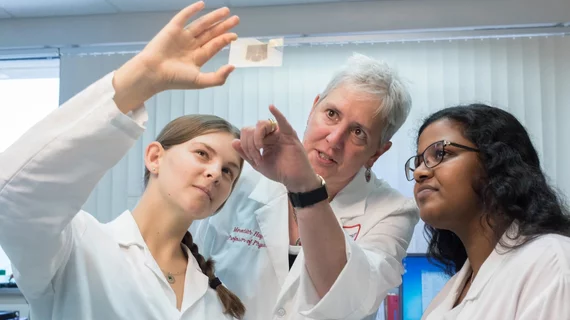
Even grafts that represent the current gold standard for bypass surgeries are associated with high failure rates, researchers noted. They think these 3D-printed blood vessels could provide considerable value.
New one-year data suggests transseptal MViV with a Sapien 3 heart valve is a "favorable and safe procedure." Researchers plan to follow patients for a total of 10 years.
Sahil Parikh, MD, director of endovascular services, New York-Presbyterian, explains details from the big-data REAL-PE study comparing mechanical thrombectomy to ultrasound assisted catheter thrombolysis.
Abandoned metal wire leads for pacemakers and ICDs did not present a serious safety issue in a study of 80 patients, but a handful of patients did experience a significant change in the composite of capture threshold, sensing or lead impedance.
Endoscopic ultrasonography has emerged as a valuable tool for diagnosing pancreatic cancer, but its specificity in differentiating between benign and malignant pancreatic lesions varies.
Inspired by nature and funded by the European Research Council, a group of scientists and engineers thinks its new research could represent a significant breakthrough in TAVR care.