
More Articles

Despite lower risks for other CVD risk factors, former National Football League players are nearly six times more likely than their non-NFL peers to develop atrial fibrillation, according to a study published in the…
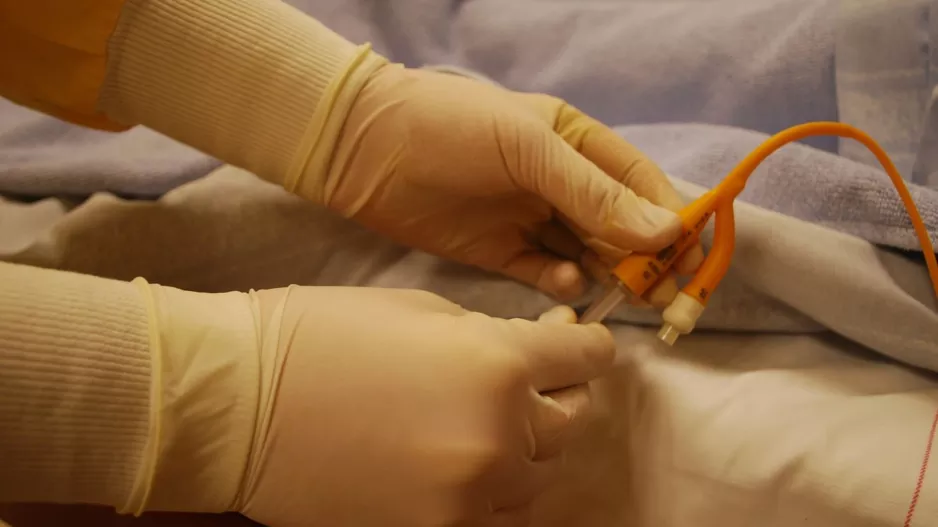
Heart patients exposed to phthalates—a group of chemicals used as plasticizers in the manufacture of plastic medical products—during invasive procedures may be at risk for serious electrophysiological abnormalities, according to a new…
Researchers at the University of Michigan have developed technology that flags stroke victims at the greatest risk for atrial fibrillation after an event, trumping standard methods of risk stratification to achieve greater accuracy.…

Edoxaban, warfarin equally effective for reducing adverse events in AFib patients with liver disease
Edoxaban and warfarin are equally effective in reducing the risk of stroke, systemic embolic events and major bleeding in patients with atrial fibrillation and a history of liver disease, researchers reported in the…
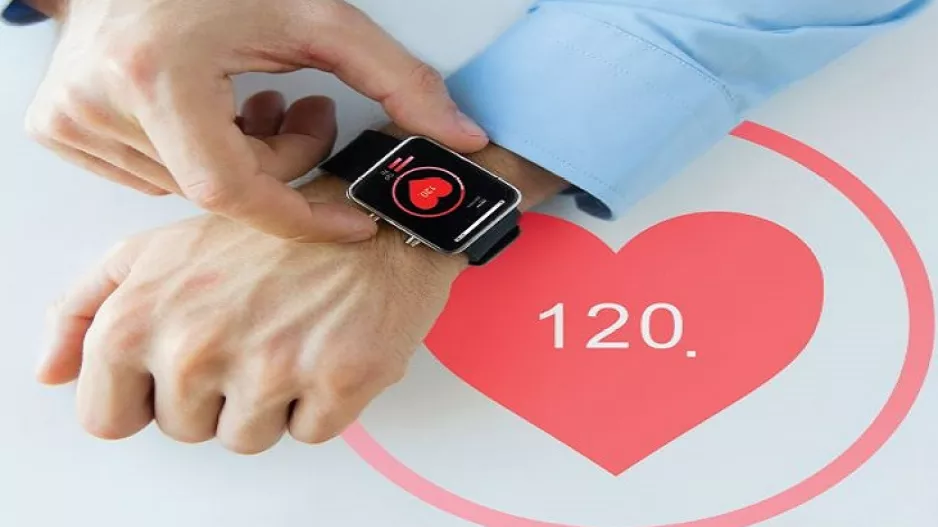
When Stanford Center for Digital Health Executive Director Mintu Turakhia, MD, MAS, talks about wearable medical devices, he often returns to a few broad themes: the market—what the public is expecting and disruptive companies seem eager to…

Black children, as well as Hispanic kids and other ethnic minorities, are less likely to receive bystander CPR during an out-of-hospital cardiac arrest (OHCA) than their white counterparts, according to a…
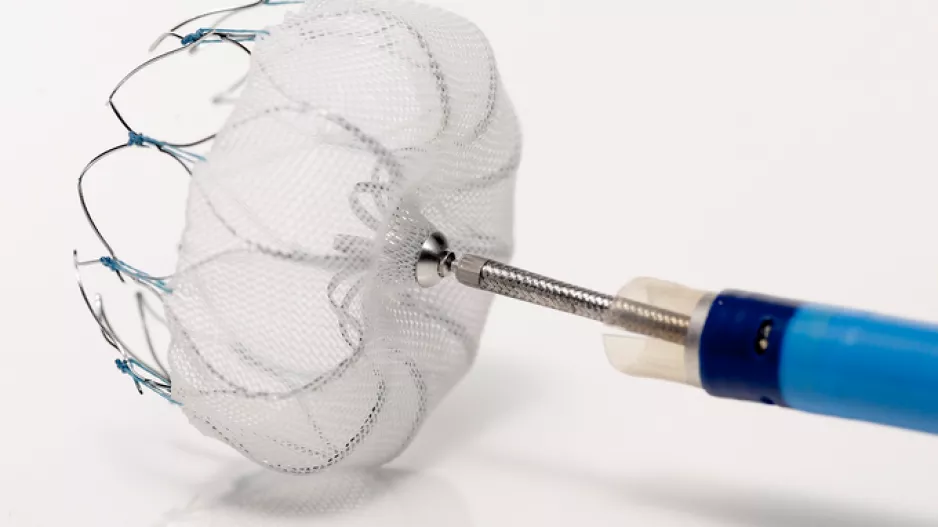
Boston Scientific’s Watchman device, an alternative to blood thinners in atrial fibrillation patients unable to take medications like warfarin, has for years been touted as a safe, effective therapy to reduce patients’ stroke risk. But…
Research published in Circulation: Cardiovascular Quality and Outcomes July 9 suggests the public health burden of pulseless in-hospital cardiac…

Biotronik on July 8 announced its BIOMONITOR III injectable cardiac monitor (ICM), a diagnostic tool designed to document suspected arrhythmias, has been cleared by the FDA.
The BIOMONITOR III device is 60% smaller…

Four universities were awarded research grants by the American Heart Association on June 24, each set to receive more than $3.7 million for a range of studies focused on arrhythmias and sudden cardiac arrest.
In a…
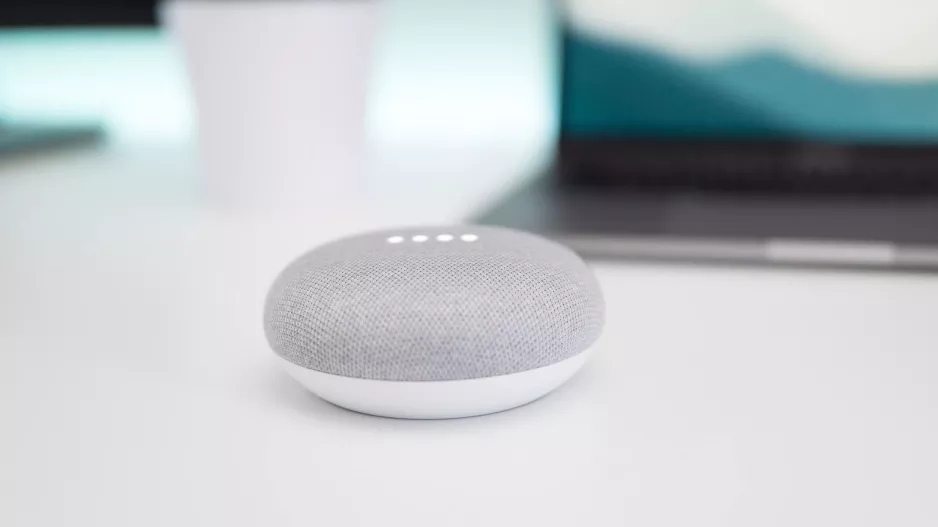
Researchers at the University of Washington are hoping to catch out-of-hospital cardiac arrests (OHCAs) early with an algorithm that, when integrated with smart speakers like the Google Home or Amazon Alexa, can monitor people for…

More than 14 million European adults aged 65 and up will have developed atrial fibrillation by 2060, according to a paper published June 6 in…

Biotronik is targeting a minimum of 40% female enrollment for its newest project, a large-scale prospective study of sex differences in patients with non-ischemic cardiomyopathy (NICM) and an implanted cardiovascular device.
…Heart patients prone to emotionally triggered atrial fibrillation are less likely to experience an arrhythmia if they’re taking beta-blockers, according to a June 3 study published in…
Former heart patient Donald Scott gifted Loyola Medicine $1.5 million last week as a thank-you for the care he received there when he suffered an arrhythmia, Loyola announced May 31.
According to the university’s…

The so-called “weekend effect”—that idea that patients admitted to the hospital on Saturdays, Sundays and holidays face greater odds of readmission down the line—doesn’t apply to victims of cardiac arrest, according to data presented at…

Consuming 32 ounces or more of an energy drink within an hour could raise blood pressure and trigger life-threatening arrhythmias, according to research published ahead of print in the…
People living in the Canadian province of Manitoba are facing up to 70-week waits for elective echocardiograms, CBC reported May 28—dozens of weeks longer than those living in neighboring Saskatchewan and Ontario provinces.
…
Women are less likely to be resuscitated by bystanders than men in cases of out-of-hospital cardiac arrest (OHCA), and when resuscitation is attempted they see lower survival rates, according to research published in the…
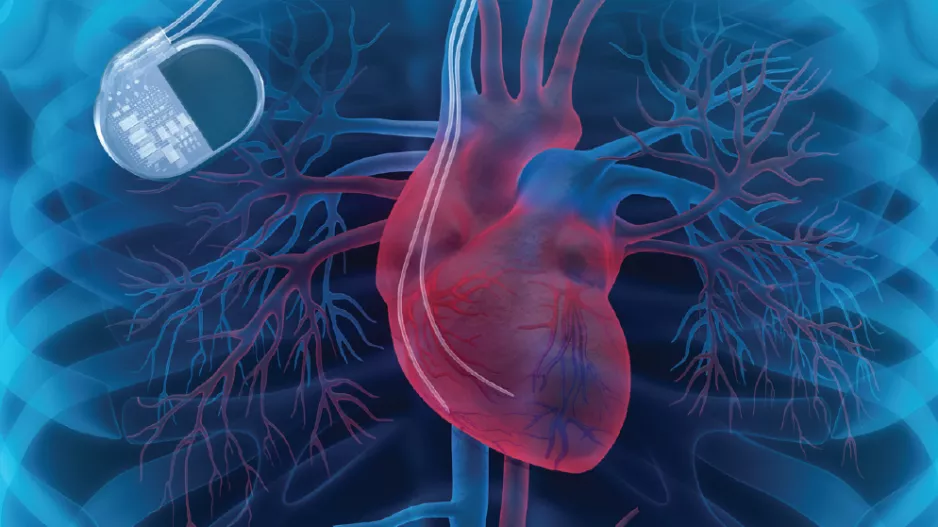
An absorbable, antibiotic-eluting mesh envelope significantly reduced the incidence of major cardiac implantable electronic device (CIED) infections in a recent study of nearly 7,000 patients, researchers reported in the…

A six-week online training course centered around living with an implantable cardioverter-defibrillator (ICD) helped alleviate anxiety in heart failure patients who were apprehensive about their devices.
Study head…