Case Studies

Displaying 25 - 36 of 359
doctor examines patient data on their tablet

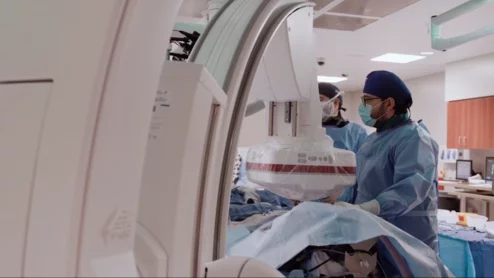
Exposure to scatter radiation and orthopedic issues related to years of wearing lead aprons during long EP procedures has led electrophysiologists to seek out new ways to reduce the need for angiographic X-ray.

Cardiologist Heart Doctor Tablet Technology

Advancements in radiofrequency (RF) catheter ablation technology have been incremental over the past 30 years in efforts to improve safety, procedural efficiency and patient outcomes. While some newer technologies have gained a lot of attention in electrophysiology (EP) over the past several years, RF remains the solid frontline treatment.

Biosense Electrophysiology

Most advancements in electrophysiology technology are small and incremental, but the experts at Texas Cardiac Arrhythmia Institute in Austin, TX, were quick to see distinct advantages when they started using the latest iteration of radio frequency ablation, the QDOT MICRO™ Catheter.

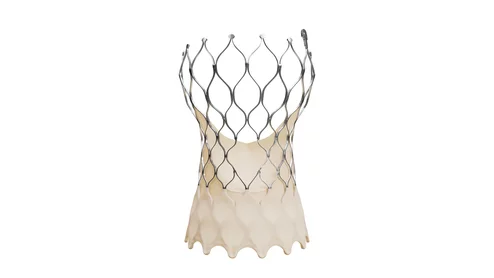
Howard Herrmann, MD, University of Pennsylvania, explains details of the SMART Trial 2-year results at CRT 2025, where Evolut performed better hemodynamically than the Sapien 3 TAVR valve in small annuli patients. The study included 87% women.

Howard Herrmann, MD,  MSCAI, Hospital of the University of Pennsylvania, and lead invesigator for the SMART trial, explains details on the 2-year data comparing the Evolut vs. Sapien 3 for TAVR in small annulus patients.

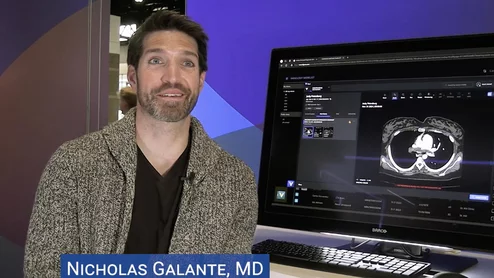
Nicholas Galante

In the rapidly evolving healthcare landscape, artificial intelligence (AI) is making significant strides in improving radiology workflow and patient care coordination. Nicholas Galante, MD, medical director of informatics at Radiology Associates of North Texas, recently discussed how technology from Viz.ai is transforming his radiology practice, enhancing efficiency, and ultimately benefiting patient outcomes. 

FX+ Image

"The onus is on us as cardiologists to make sure we offer the very best possible devices for our patients with the available data that we have," interventional cardiologist Anene Ukaigwe, MD, explained. 

doctorwithpatient.jpg

Women with cardiovascular disease are consistently underdiagnosed and undertreated compared to men, and those disparities are true for aortic stenosis as well. Women with symptomatic severe AS are up to 35% less likely than men to undergo aortic valve replacement, for example, and they often have to wait longer just to be referred for further care.

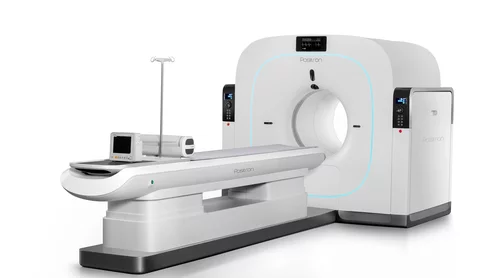
Neusight PET

The American Society of Nuclear Cardiology (ASNC) says positron emission tomography (PET) nuclear imaging has seen wider adoption in the past few years, and many cardiac imaging experts say it could become the workhorse technology for nuclear cardiac assessments over the next decade. 

Video Touch 4k

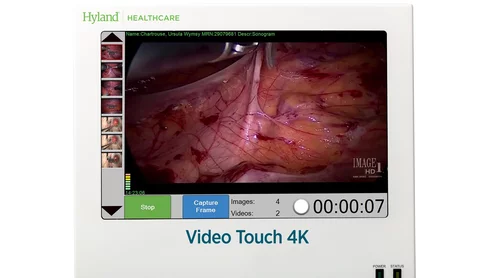
When it comes to managing and storing clinical videos and images captured with visible-light scope devices, the best option is still the box. Connected, integrated, vendor-agnostic, efficient. The box that stands apart as the top choice among imaging leaders is the PACSgear MDR Video Touch 4K capture device from Hyland Software. Here are five reasons why the MDR—which merges hardware and software—outperforms software-only options in the GI lab and others. 

Cleerly cardiology

If not for AI analysis of a CT scan showing his heart and coronary arteries, patient James Doe—not his real name—may have died of a “widowmaker” heart attack before experiencing a single symptom. 

doctor examines patient data on their tablet

TAVR is a go-to treatment for symptomatic severe aortic stenosis in much of the world, thanks in large part to the hard work of research teams that never stop looking for new, innovative ways to make the technology more effective.

Medtronic_Coronary access

TAVR procedures have surged more than 30% since 2020, with more than 107,000 patients receiving a new prosthetic valve in 2023 alone. As this trend continues, it’s increasingly important that cardiologists consider the long-term impact on future coronary interventions patients may need.