A VA nursing home in Albany, New York, is using robotic animals with built-in AI to comfort patients with dementia, according to a report by WNYT News.
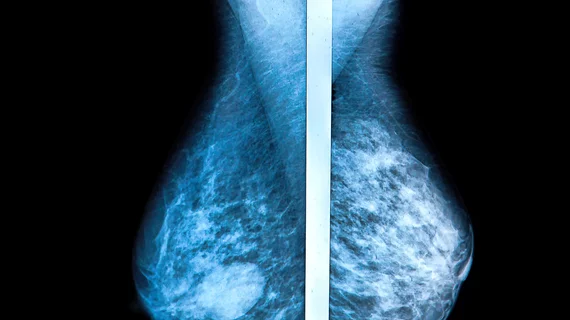
Researchers from the Mayo Clinic in Rochester, Minnesota found that 98 percent of digital breast tomosynthesis-detected masses sent to ultrasound directly were adequately evaluated without the use of diagnostic mammography, according to research published Nov. 29 in the British Journal of Radiology.
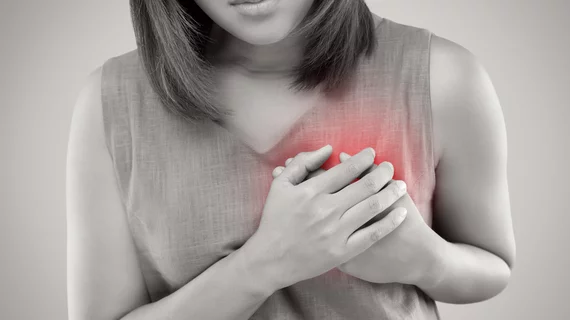
Women suffering ST-segment elevation MI (STEMI) wait on average 37 minutes longer than men to call for help, according to research published in the European Heart Journal: Acute Cardiovascular Care.
Four thousand California-based mental health workers with Kaiser Permanente went on strike this week to call attention to the need for more clinicians and better scheduling for patients.
Radiologists on the receiving end of anonymous corrections during peer-review processes are more likely to subsequently dole out anonymous corrections to other rads—and the effect is especially pronounced when the original “gotcha” was issued over a miss that had no clinical significance.
By 2030, a majority of experts believe humans will be better off because of AI and related technology systems, with many expressing optimism about the future of healthcare, according to a report by Pew Research Center.
Combining radiomics with a new technique called three-compartment breast (3CB) imaging may help reduce unnecessary breast biopsies, according to a new study published in Radiology.
Nine healthcare organizations, including consumers, businesses and insurance providers, have united to find a solution to the practice of surprise billing that can burden patients with sky-high medical debts.
As insulin prices in the U.S. continue to surge, lower-income diabetics are struggling to afford a drug their life depends on, researchers report in a JAMA Internal Medicine study published Dec. 3.
Although female authorship in cardiology journals is improving, women continue to be underrepresented in research publications—particularly as first and senior authors, according to an analysis in Circulation: Cardiovascular Quality and Outcomes.