Commercially available face recognition software accurately identified patient’s based solely on their brain MRI scans. The findings suggest more resources must be put into securing imaging data.
The largest study of its kind has found that taking blood pressure medication at bedtime—as opposed to first thing in the morning—lowers heart patients’ risk of death and CV-related illness in the long run.
Exposure to radioiodine can lead to DNA damage in thyroid cells and other tissue, but new research suggests current radiation protection principles may not be sufficiently monitoring radiation exposure to nuclear medicine professionals.
Access to clinical decision support systems or not, pediatric emergency care physicians value and will continue to seek radiologists' input in imaging decision-making.
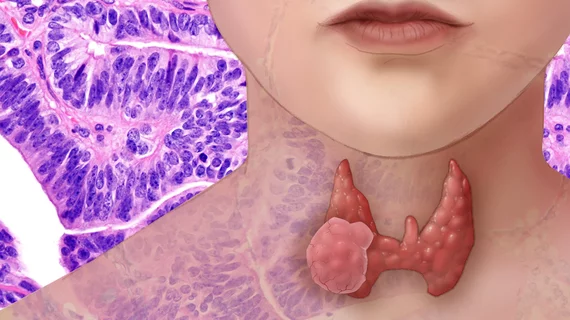
The combination of machine learning and ultrasound could help healthcare providers with the diagnosis of thyroid nodules, according to new findings published in JAMA Otolaryngology.
The Federal Trade Commission has taken special interest in mergers and acquisitions in the healthcare space and the role increasingly bigger companies play when it comes to healthcare costs and quality of services.
Facial recognition software paired patient photographs to their corresponding MRI scans 83% of the time, according to new research out of the Mayo Clinic.
Biogen, a biotech company based in Massachusetts, is planning to seek approval from the FDA for an experimental drug that targets the underlying causes of Alzheimer’s disease.
Discussions about AI and radiology often focus on the researchers who help develop the algorithms and radiologists themselves. But a new analysis published in Academic Radiology shines a light on another key role in the implementation of AI: the imaging informaticist.