What can radiologists do to be better allies for individuals experiencing inappropriate behavior in the workplace? A recent commentary published in the Journal of the American College of Radiology explored this very subject in detail.
Cerner Corporation, one of the nation’s largest electronic health records platforms, has partnered with Uber Health to improve non-emergency transportation that can be included in the patient record.
As of now the Tomosynthesis Mammographic Imaging Screening Trial (TMIST) has enrolled 16,505 participants across a number of certified mammography clinics in the U.S., Canada and Argentina, with more sites and participants to come.
Telehealth is finally seeing a little more traction in acceptance and use, according to a recent survey from J.D. Power. In fact, telehealth adoption is set to grow as more consumers use the technology and recommend the service to others.
Canadian Nuclear Laboratories and TRIUMF, the country’s particle accelerator center, have successfully produced actinium-225—a rare isotope that can be used for novel cancer therapy treatments.
“Because BI-RADS 3 breast lesions have up to 2% likelihood of malignancy, it is imperative that optimal follow-up of BI-RADS 3 test results be addressed...," authors of the new study published in JACR wrote.
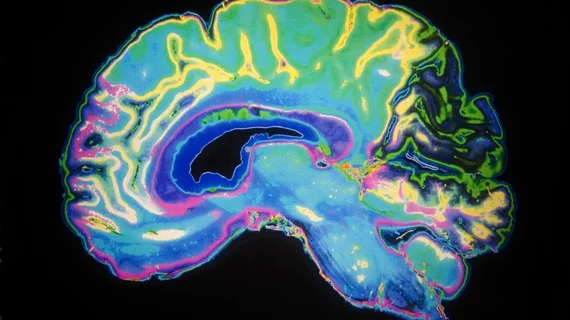
Researchers found that deep convolutional neural networks (CNNs) can predict sequence types for brain MR images, sharing their findings in the Journal of Digital Imaging.
Deep convolutional neural networks (CNNs) can be trained to predict sequence types for brain MR images, according to new research published in the Journal of Digital Imaging.