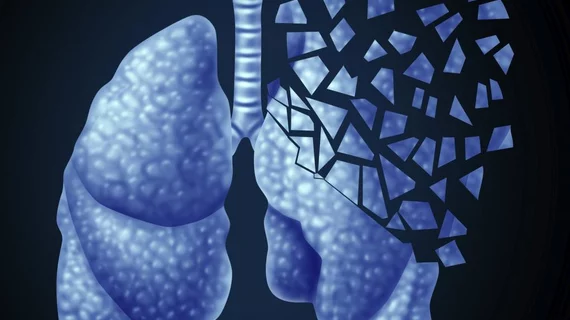
“Machine learning is a low-cost and efficient tool that could help physicians arrive to a quicker decision as to how to approach an indeterminate nodule,” lead author of the study, John Eisenbrey, PhD, said.
Researchers have detected racial bias in an algorithm commonly used by health systems to make decisions about patient care, according to a new study published in Science.
Several states are working on their own healthcare plans to preserve some coverage and provisions of the Affordable Care Act as the healthcare law makes its way through an appeals court and faces the real possibility of being overturned, The Wall Street Journal reported.
A new startup—Hyperfine—and its visionary leader Jonathan Rothberg are creating a new, portable MRI machine they believe can revolutionize the way doctors think about the technology.
Regina Barzilay, PhD, a professor at the Massachusetts Institute of Technology, has been working closely with AI technologies to improve breast cancer care ever since she was diagnosed with the disease in 2014.
“This technology has incredible potential to improve care, whether it is by better training doctors to perform procedures or helping patients know what to expect when they arrive at the hospital,” Ziv Haskal, creator of the technology said.
A lung cancer researcher from Dartmouth College has received a $1.5 million grant from the National Cancer Institute to build and validate machine leaning approaches to develop better, more personalized cancer treatments.
As AI technologies continue to evolve, they could have a titanic impact on the health of people all over the world, improving patient outcomes and changing the way each and every person lives their life. It’s going to take more than just AI alone, however—there are a number of other factors to consider as well.