Home

MRI reveals brain volume abnormalities in schizophrenia, other mental illnesses

mribrainhitn_0_0.png

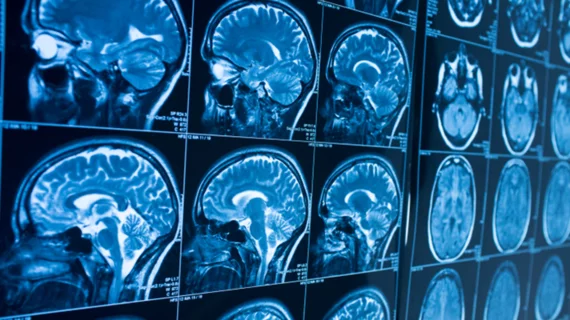
Researchers from around the world pooled together imaging data on patients with a rare genetic condition to create the largest neuroimaging study of DiGeorge syndrome.

  • Read more about MRI reveals brain volume abnormalities in schizophrenia, other mental illnesses

Psychologist uses beta-blockers to ease patients’ emotional pain

A Canadian clinical psychologist is repurposing a beta-blocker to ease the pain of emotional trauma, the BBC reports.

  • Read more about Psychologist uses beta-blockers to ease patients’ emotional pain

What every physician should know about coronavirus

Nurse

Novel coronavirus, also known as Covid-19, has killed more than 1,300 people and infected upwards of 47,000, according to the World Health Organization.

  • Read more about What every physician should know about coronavirus

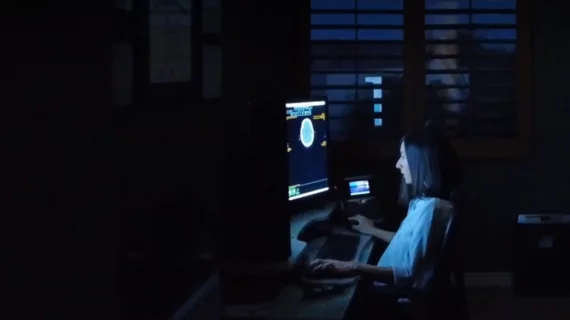
AI predicts malignancy, survival in patients with brain tumors

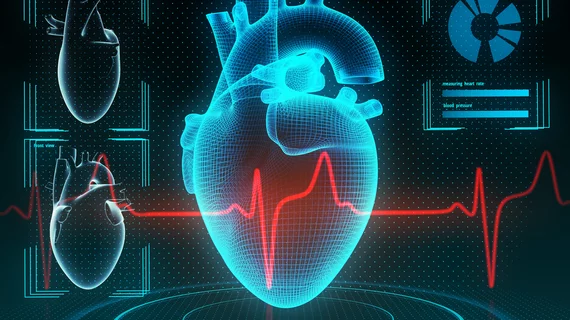
Artificial intelligence (AI) has been one of the biggest stories in healthcare for years, but many clinicians still remain unsure about how, exactly, they should be using AI to help their patients. A new analysis in European Heart Journal explored that exact issue, providing cardiology professionals with a step-by-step breakdown of how to get the most out of this potentially game-changing technology.

AI models can be trained to predict outcomes in meningioma patients, according to new research published in npj Digital Medicine. The study’s authors even developed a free smartphone app so others can explore their work.

  • Read more about AI predicts malignancy, survival in patients with brain tumors

Exercise over booze: Radiologists’ top 5 coping mechanisms to deal with burnout

The Anesthesia Patient Safety Foundation (APSF), a related organization of the American Society of Anesthesiologists (ASA), this week released a statement on the criminalization of medical errors. The APSF said criminal prosecution is unjust and counterproductive is healthcare organizations want to find ways to mitigate errors by understanding how they happen and create protocols or IT systems can can help prevent future errors. The criminal trial of nurse RaDonda Vaught was counterproductive to safety.

Imaging physicians who are feeling worn out or depressed on the job prefer to hit the gym (most often in a Toyota) rather than a bottle or joint, according to a new survey.

  • Read more about Exercise over booze: Radiologists’ top 5 coping mechanisms to deal with burnout

70% of burned out, depressed radiologists haven't sought help and don't plan to

The percentage of imaging experts who prefer to deal with distress on their own is higher than last year's Medscape survey.

  • Read more about 70% of burned out, depressed radiologists haven't sought help and don't plan to

10 key uses for AI in radiology that don’t involve interpretation

Blog_Header_1200x628_Fellowship (12)_0.png

AI promises to make a titanic impact on radiology, but most of the attention tends to focus on its ability to identify important findings in medical images. What about the technology’s non-interpretive qualities?

  • Read more about 10 key uses for AI in radiology that don’t involve interpretation

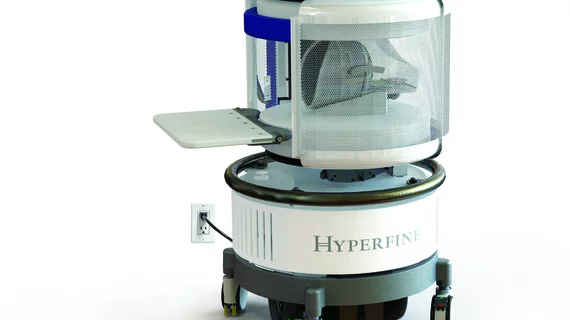
‘World's first’ bedside MRI machine scores FDA clearance, eyes summer rollout

Hyperfine

Courtesy of Hyperfine Research.

Connecticut-based Hyperfine Research said its new point-of-care imaging tool carries a fraction of the cost and weight of a traditional magnetic resonance machine. 

  • Read more about ‘World's first’ bedside MRI machine scores FDA clearance, eyes summer rollout

Philips announces RCT to study patient outcomes after iFR-guided PCI

Philips is launching a new randomized controlled trial—dubbed DEFINE GPS—to assess patient outcomes after PCI guided by instant wave-Free Ratio measurements and angiograms. 

  • Read more about Philips announces RCT to study patient outcomes after iFR-guided PCI

Fewer struggling to pay medical bills—surprise or not—but millions still set back

Medical Bills

Citing data previously published from the National Health Interview Survey, authors Amy Cha, PhD, MPH, and Robin Cohen, PhD, point out that major medical bills piling up for one member of a family tend to weaken the entire household.

  • Read more about Fewer struggling to pay medical bills—surprise or not—but millions still set back

Pagination

    • First page « First
    • Previous page ‹ Previous
    • Page …1775
    • Page 1776
    • Page 1777
    • Page 1778
    • Current page 1779
    • Page 1780
    • Page 1781
    • Page 1782
    • Page 1783 …
    • Next page Next ›
    • Last page Last »
Subscribe
  • Home
  • News
  • Article Archive
  • Custom Content
  • Webinars
  • Press Releases
  • Content Studio
  • Advertising
  • Submit Press Release
  • Contact Us
  • Terms of Use
  • Privacy Policy
  • Cardiovascular Business
  • HealthExec
  • Radiology Business
 
© 2026 Innovate Healthcare | All Rights Reserved. | Terms of Use | Privacy Policy
 
Design by Adaptive Theme