HCCI analyzed more than 2.5 billion de-identified claims, including those for prescription drugs as well as medical visits, filed from 2014 to 2018 with Aetna, Humana, Kaiser Permanente and UnitedHealthcare.
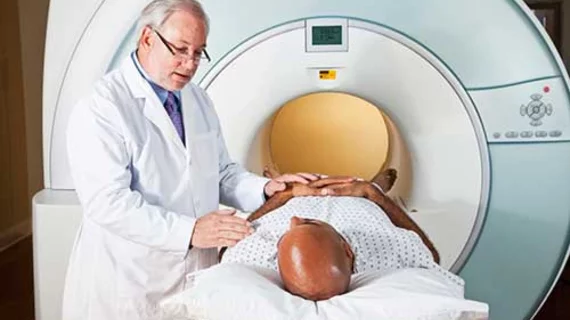
Exams of patients who require a translator appeared to be of “significantly worse” quality, underlining the need to strengthen communication, according to new research in Abdominal Imaging.
Stroke survivors who are optimistic about their recovery demonstrate lower levels of inflammation and physical disability than their less-cheerful counterparts, researchers reported at the Nursing Symposium of the American Stroke Association’s International Stroke Conference.
Under the novel methodology, medical students interpret images themselves and receive feedback from instructors, taking them off the sidelines and into the reading room.
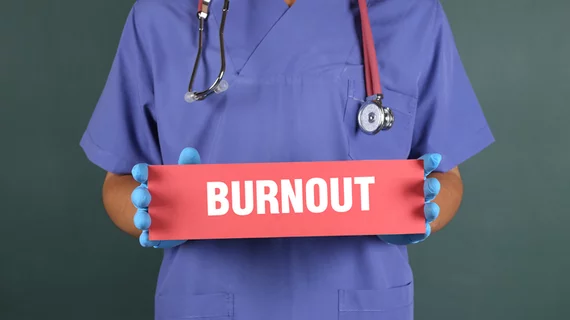
Around 29% of cardiologists are burned out in contemporary practice, according to Medscape’s Cardiologist Lifestyle, Happiness & Burnout Report 2020—but the majority haven’t sought professional help for burnout and don’t plan to.
Researchers have used AI technology to predict a patient’s chance of death, heart attack or stroke better than human doctors, sharing their findings in a new study in Circulation.
The study is the first, and largest of it's kind, according to researchers from the University College London, and offers new insights into how the heart functions.
University College London researchers harnessed this new tool to quickly analyze cardiovascular magnetic resonance images and determine the risk of other adverse events such as stroke.
In an industry first, an AI algorithm has been used to instantly and accurately assess patients’ blood flow, acting as a risk prediction tool for major adverse CV events.